
Apical Surgery
Apical surgery in London, Ontario
If symptoms or periapical pathology persist after root canal treatment and cannot be resolved with orthograde retreatment, apical surgery offers a reliable way to preserve the tooth.
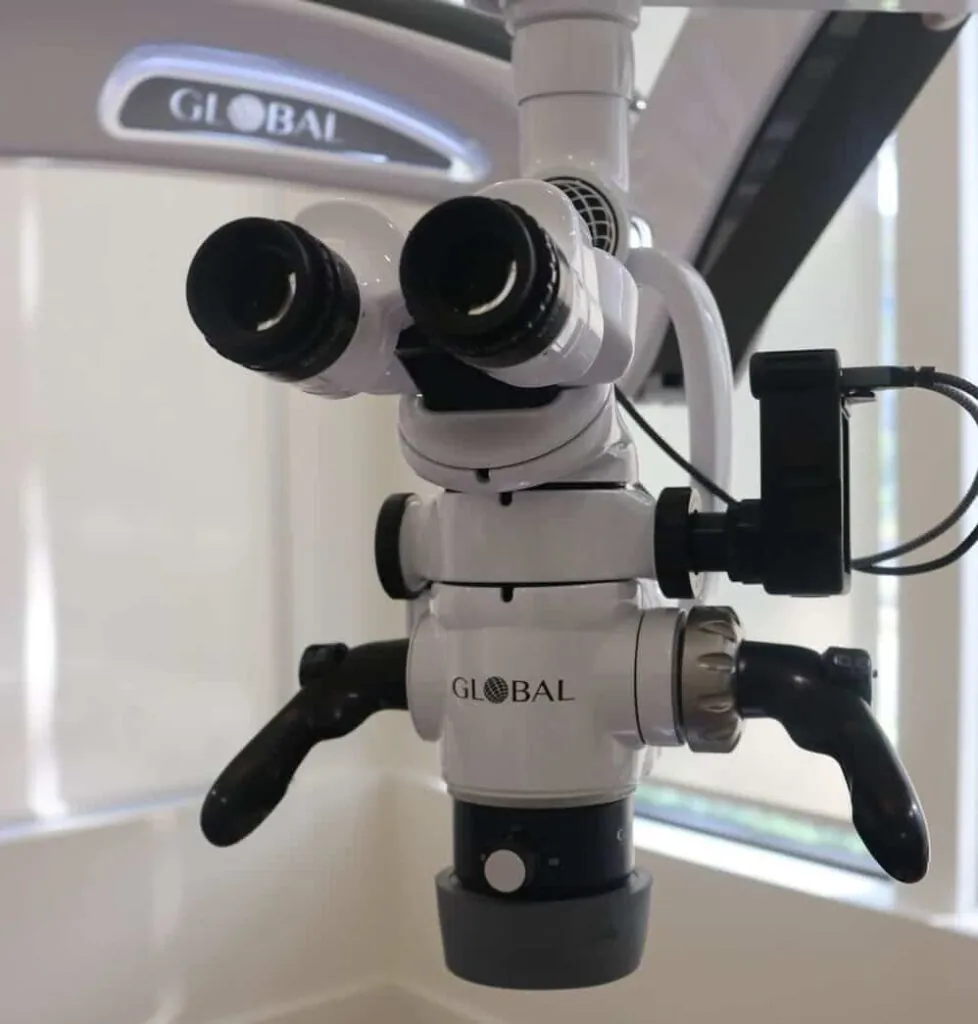
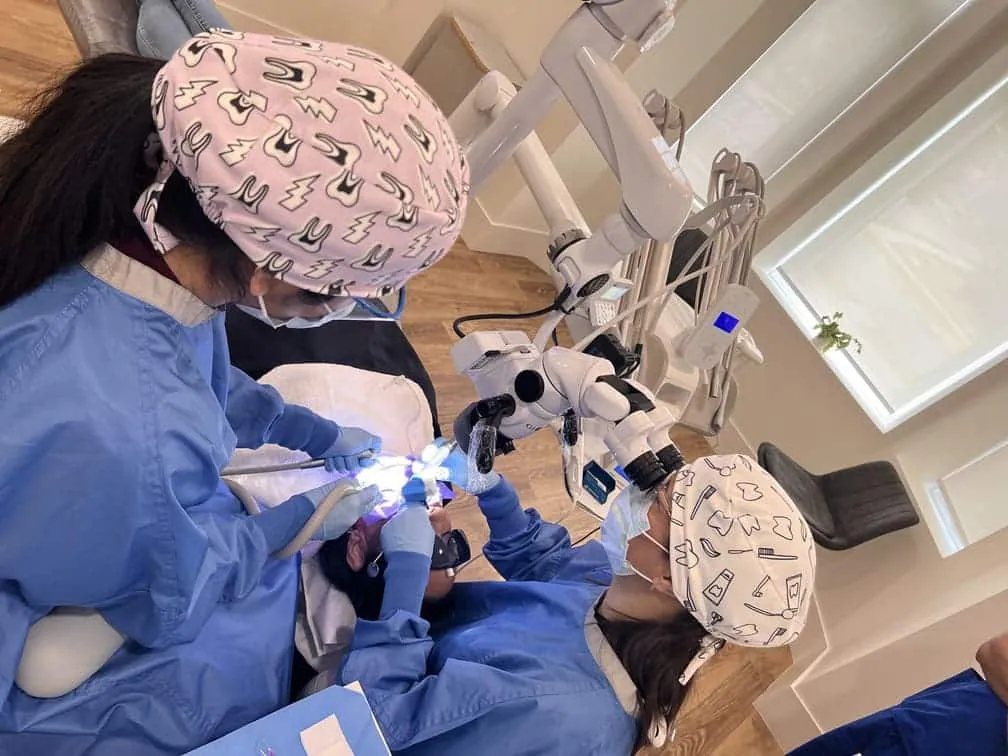
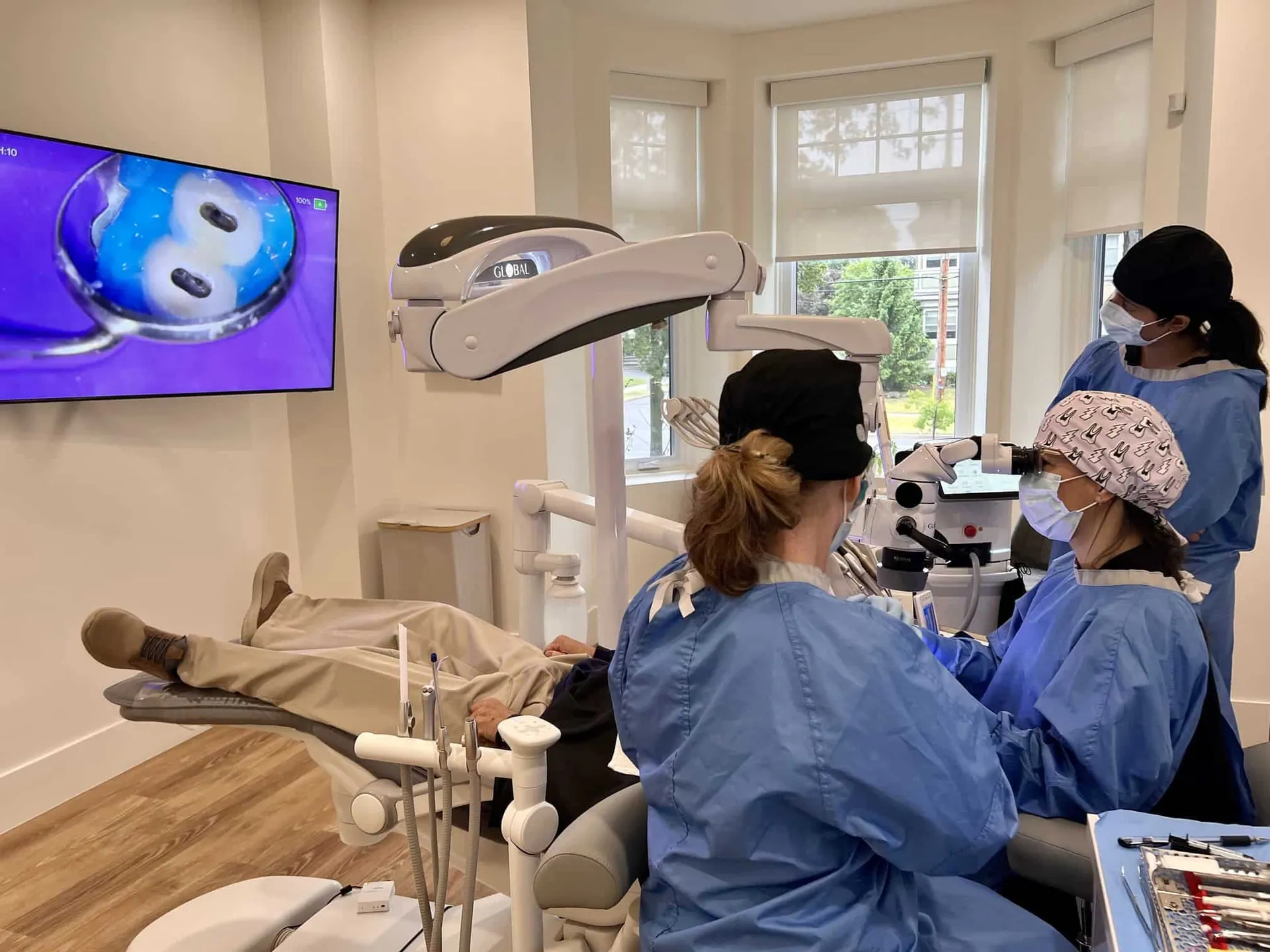
At 562 endodontics, apical surgery is performed with an operating microscope, ultrasonic root-end preparation, and biocompatible retrograde filling materials. We welcome referrals from dentists throughout London and Middlesex County for endodontic evaluation and treatment.
Contact UsLast updated:
When apical surgery is indicated: retreatment vs. surgery
Apical surgery is not the initial treatment for a failing root canal. The choice between orthograde retreatment and surgery depends on the cause of failure, the quality of the coronal restoration, and root and bone anatomy. The table below summarizes the clinical criteria for this decision.
| Clinical scenario | Preferred approach | Rationale |
|---|---|---|
| Missed canal or inadequate obturation with accessible coronal access | Orthograde retreatment | Coronal access allows full chemo-mechanical re-preparation |
| Persistent periapical pathology after adequate orthograde retreatment | Apical surgery | The orthograde approach has been exhausted |
| Post or crown that cannot be removed without significant restorative risk | Apical surgery | Surgical access avoids compromising the existing restoration |
| Calcified canal preventing orthograde access to the apex | Apical surgery | Canal negotiation is not feasible by conventional means |
| Biopsy required to rule out non-endodontic pathology | Apical surgery | Tissue resection allows histopathological analysis |
| Horizontal root fracture at the apical third | Apical surgery — root-end resection | The coronal segment can be retained if periodontally sound |
| Overfilled canal with symptomatic extruded material | Apical surgery | Surgical retrieval of extruded material at the apex |
If it is unclear whether retreatment or apical surgery is appropriate, we can arrange a pre-referral phone consultation or shared CBCT review before making a recommendation.
Learn about endodontic retreatmentPatient guide: What is apical surgery?
Apical surgery, or apicoectomy, is a minor procedure performed when a root canal or retreatment does not resolve an infection at the root tip.
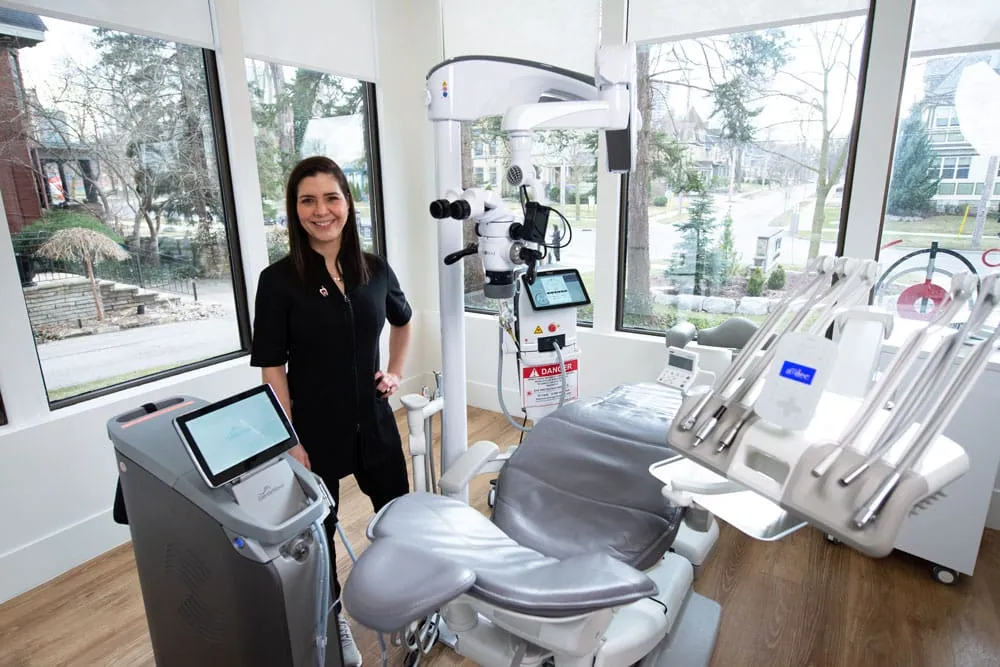
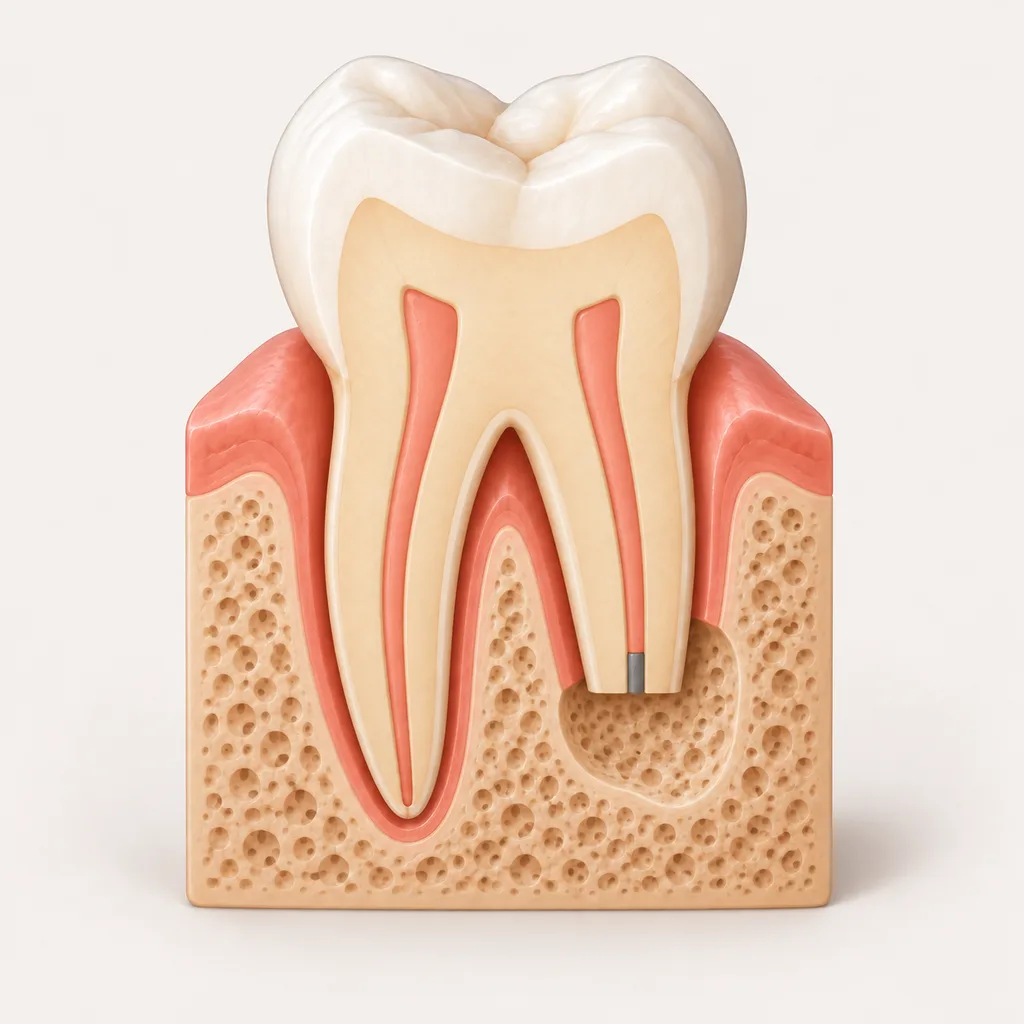
What the procedure involves:
- A small incision is made in the gum near the affected tooth.
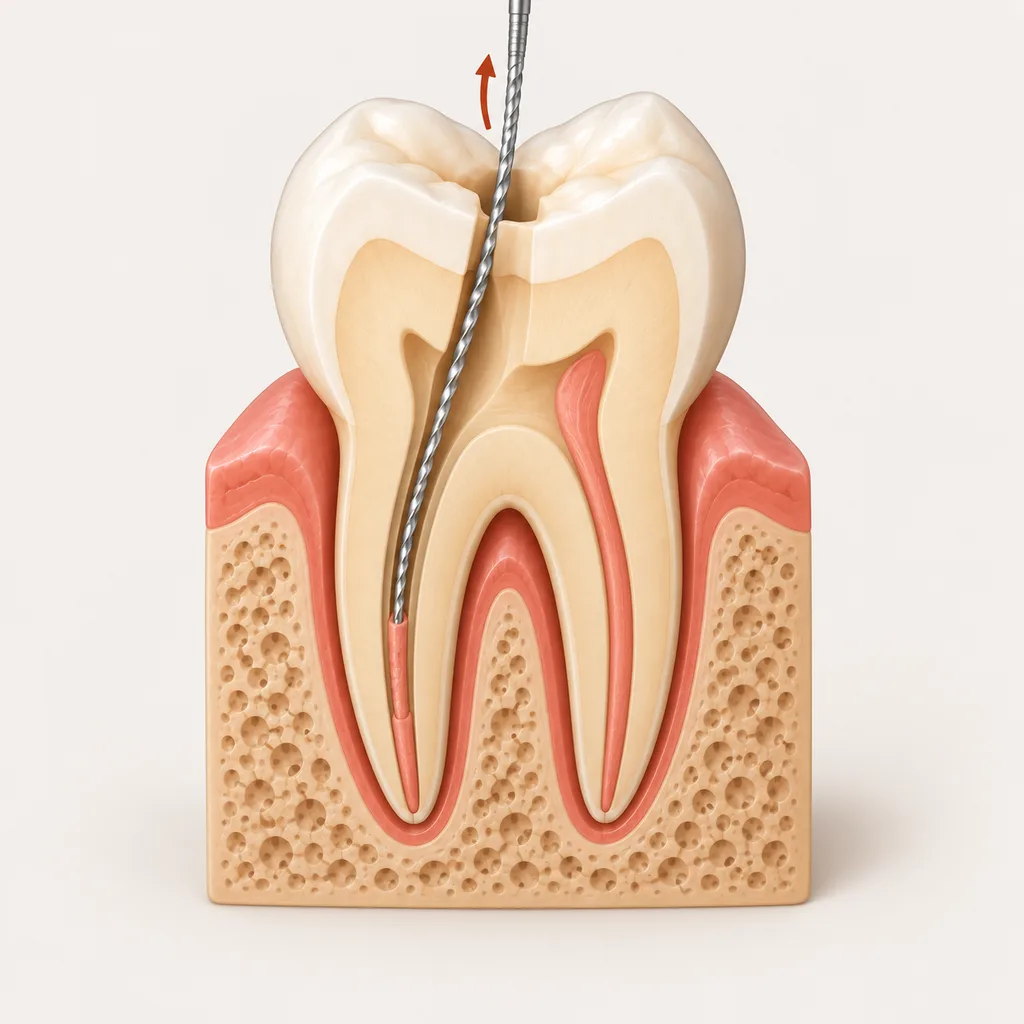
- A small amount of bone is removed to access the tip of the root.
- The infected tissue and the very tip of the root are removed.
- The root end is cleaned and sealed with a small filling.
- The gum is sutured closed and heals over the following days.
The procedure is usually completed under local anesthesia, with sedation available if needed.
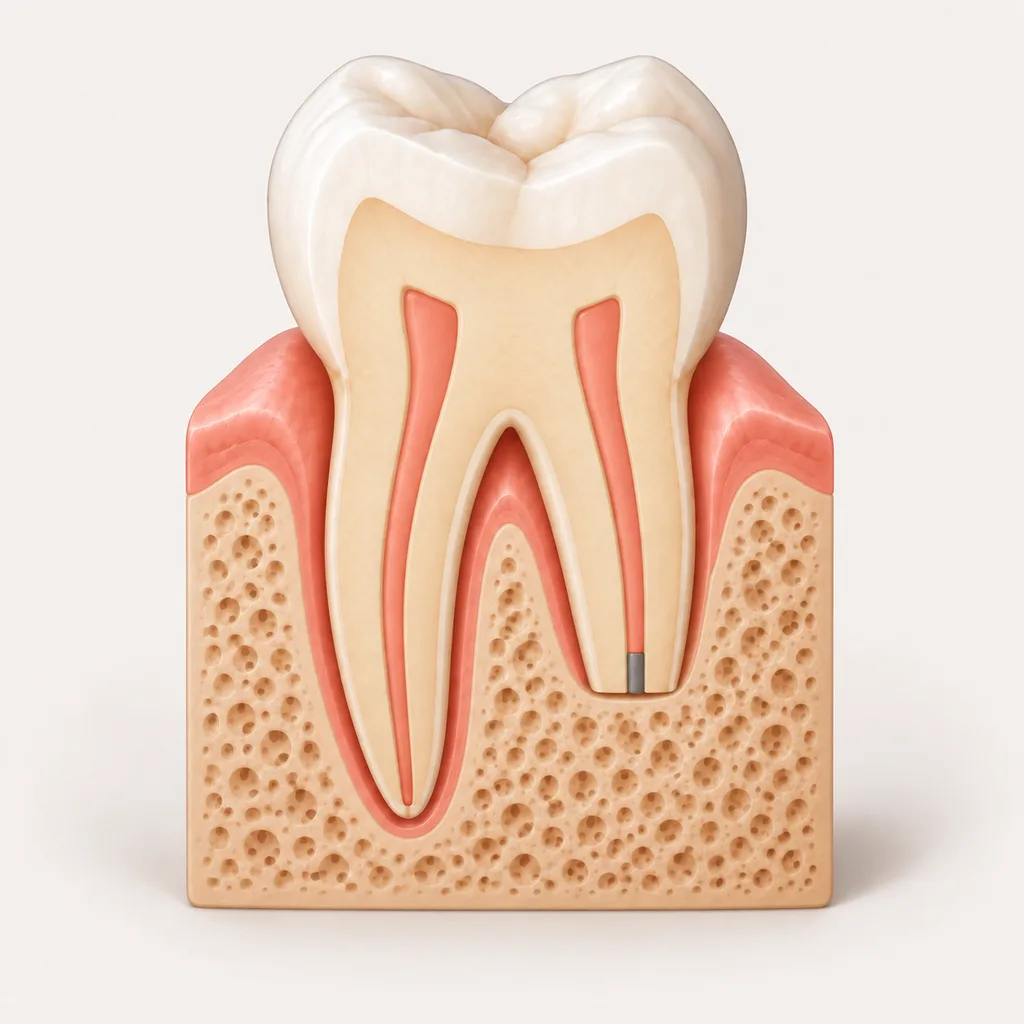
What to expect after surgery:
- Some swelling and mild discomfort for 2 to 3 days is normal.
- Many patients resume normal activities the next day, depending on the procedure and individual recovery.
- Sutures are typically removed after 1 week.
- Follow-up radiographs are taken at intervals to confirm healing.
Apical surgery is an alternative for teeth with persistent infections when other treatments are no longer suitable.
Doctors' Guide:
Clinical Protocol and Co-Management
When to refer for apical surgery
Refer patients to 562 endodontics if any of the following conditions apply:
- Periapical pathology persists or enlarges after adequate orthograde treatment or retreatment.
- Orthograde retreatment is not possible due to a post, calcification, or restorative risk.
- Non-endodontic pathology cannot be excluded without a surgical biopsy and histopathology.
- A symptomatic overfill or separated instrument at the apex is not retrievable by orthograde means.
- The patient presents with a draining sinus tract associated with a previously treated tooth, and retreatment has already been attempted.
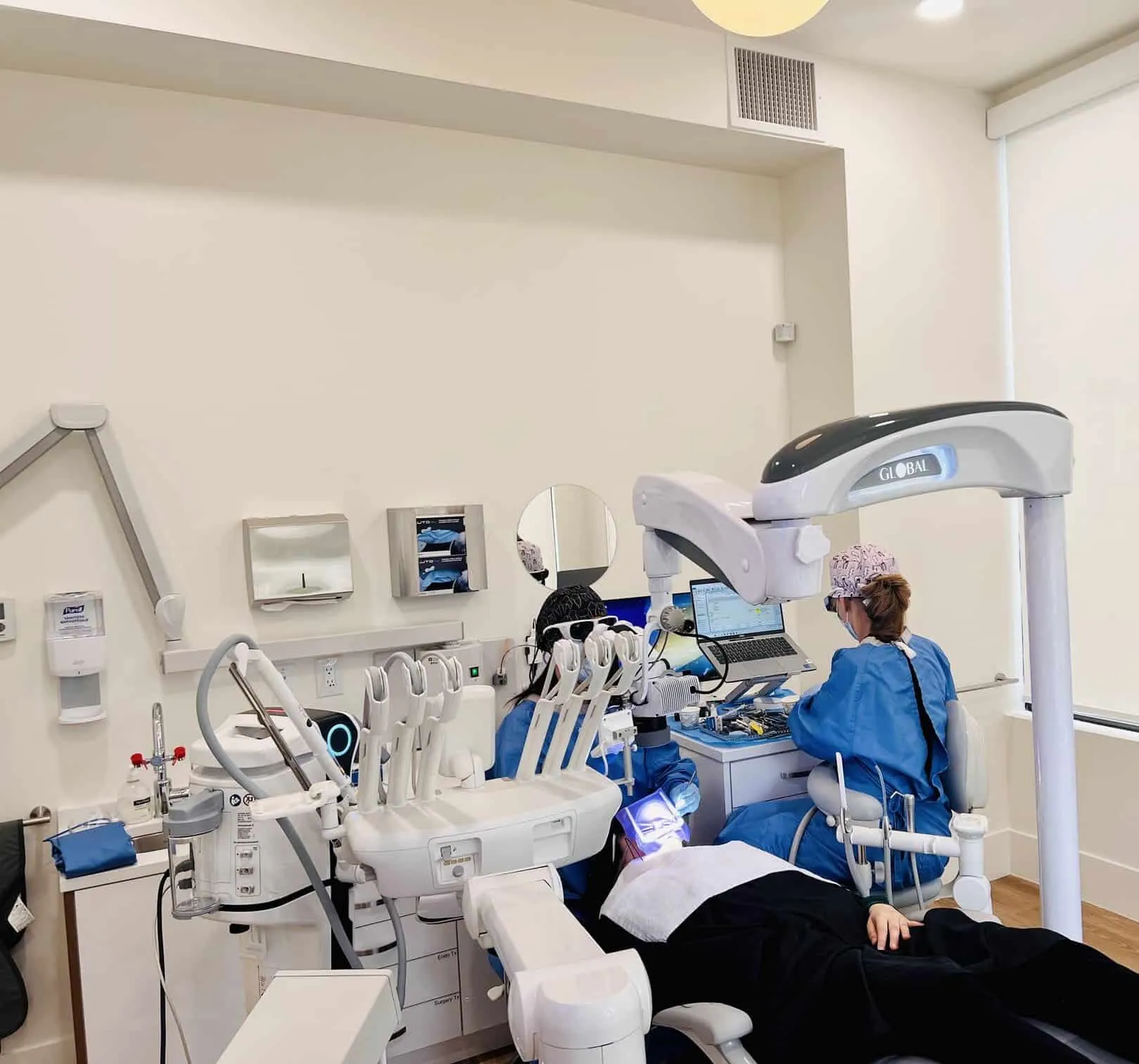
Surgical Protocol at 562 endodontics
Each apical surgery case begins with a consultation. Our team reviews referring radiographs and, if needed, obtains a CBCT scan to assess root anatomy, bone volume, periapical status, and proximity to anatomical structures. We discuss treatment options with the patient before the procedure. A written report is sent to your office after each appointment.
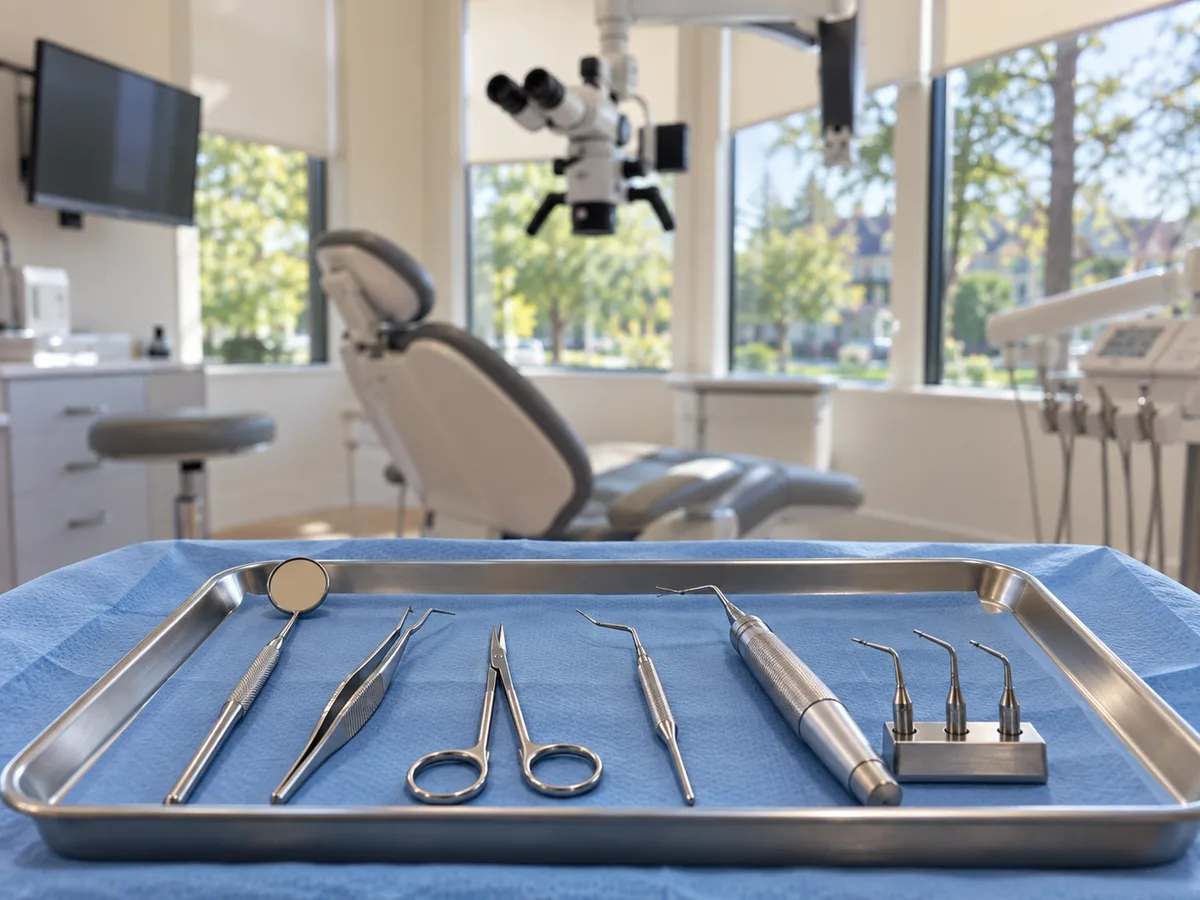
The procedure is performed with an operating microscope. Root-end resection typically removes about 3 mm of the apex to address the apical delta and lateral canals. Root-end preparation is completed with ultrasonic tips under magnification, and retrograde obturation is performed with a biocompatible material.
Anatomical Risk Management: Maxillary Sinus and Inferior Alveolar Nerve
Two anatomical structures require special pre-surgical planning in upper posterior and lower molar cases.
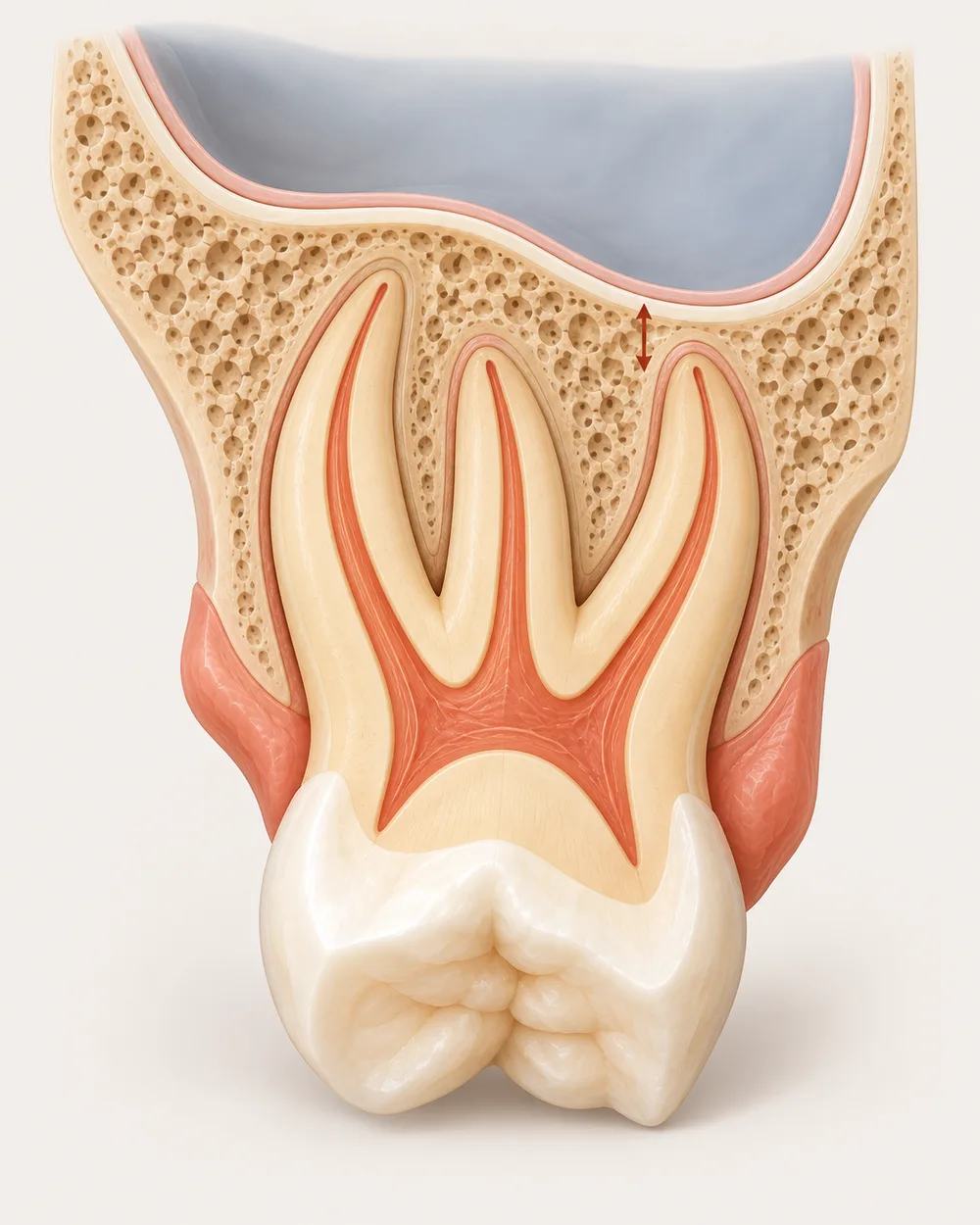
In maxillary posterior teeth, root apices may be close to or extend into the maxillary sinus. CBCT imaging assesses the distance between the root apex and sinus floor, identifies sinus membrane thickening that may suggest sinus involvement, and supports surgical planning aimed at minimizing the risk of sinus perforation. Cases where the apex extends into the sinus may still be managed surgically if the anatomy allows safe access.
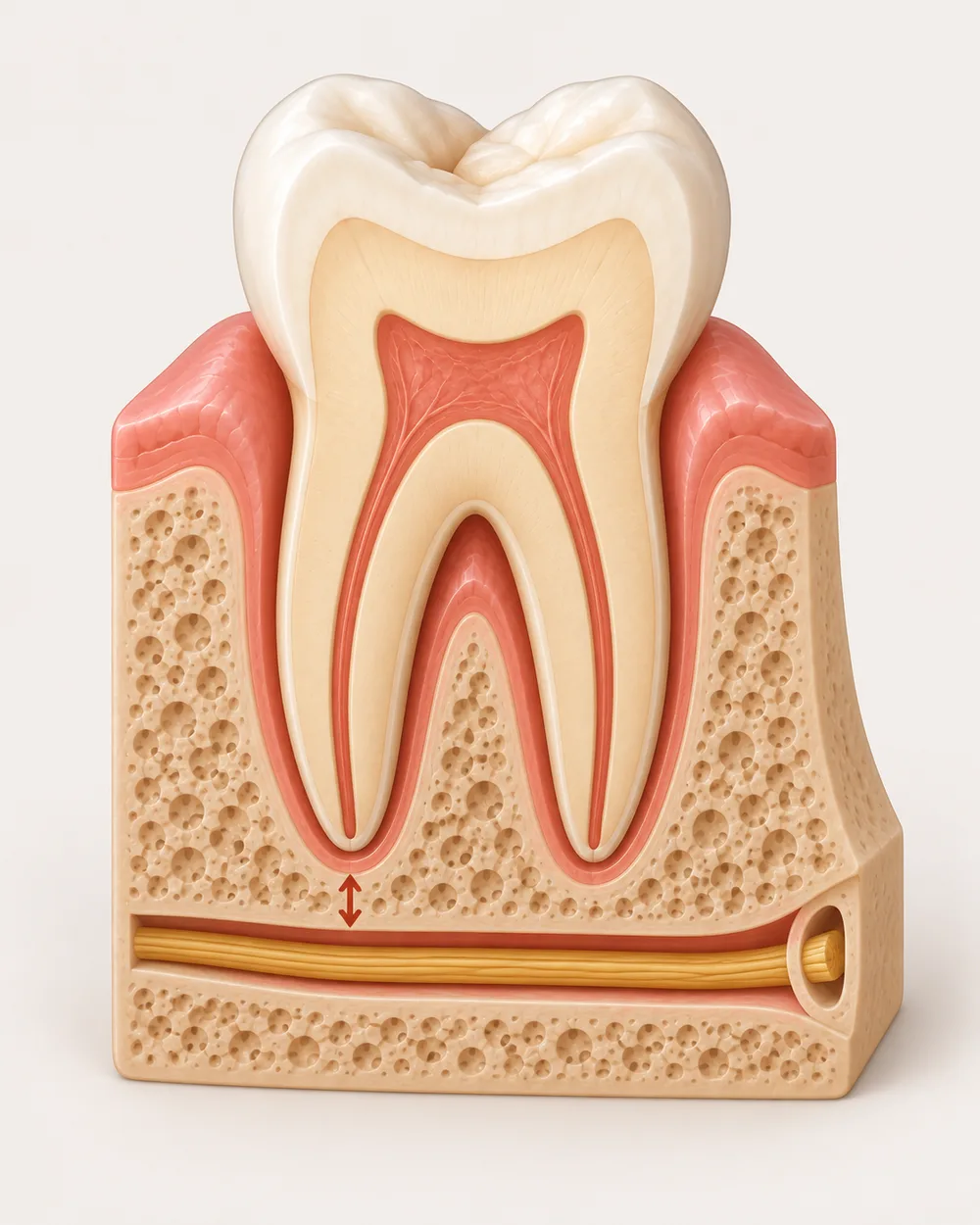
In mandibular posterior teeth, the proximity of root apices to the inferior alveolar canal is an important surgical consideration. CBCT provides three-dimensional localization of the canal relative to the apex and helps assess surgical risk before consent. This information is included in the pre-surgical report sent to the referring office.
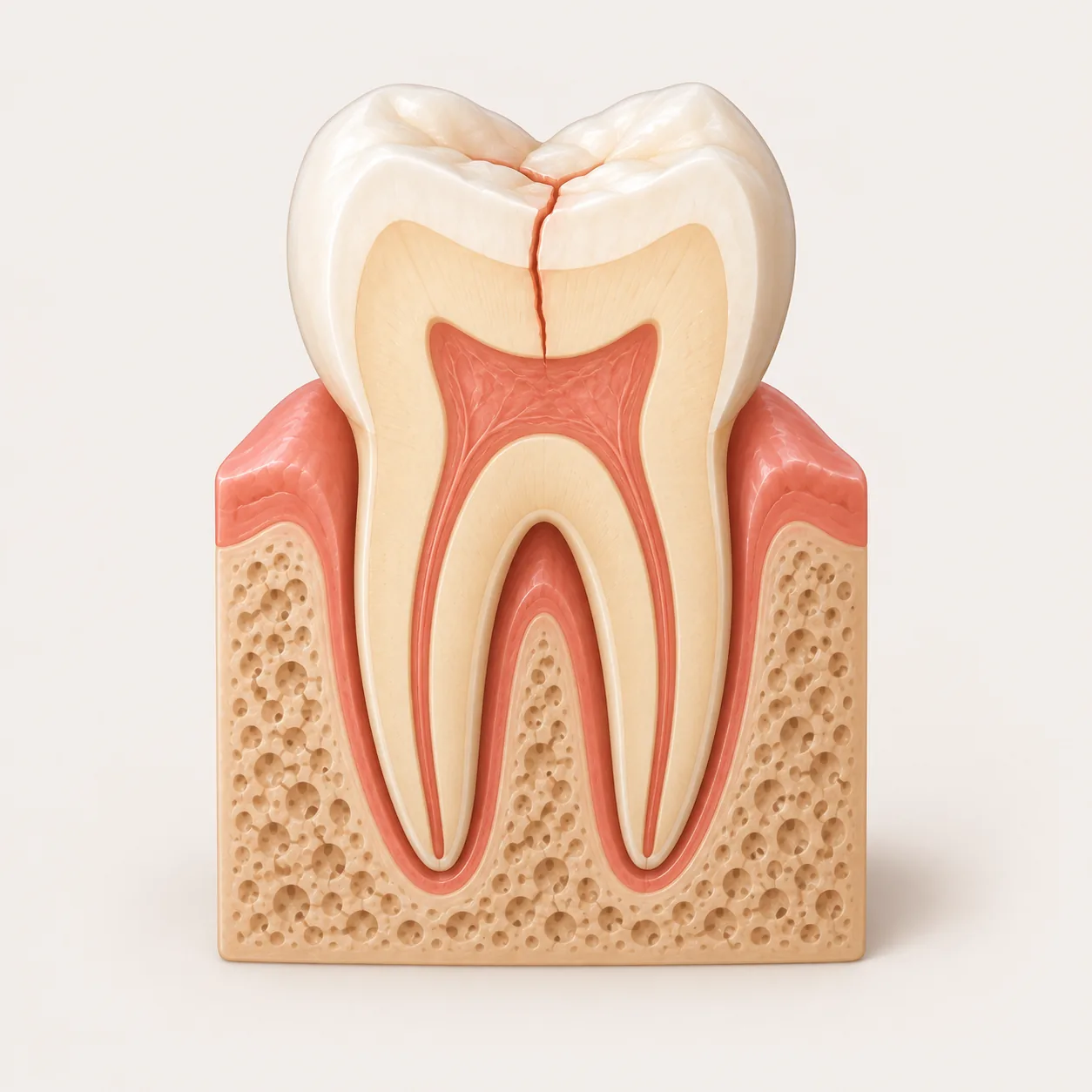
Educational illustrations, not to scale. They are not patient radiographs or diagnostic scans.
Histopathological Analysis
Periapical tissue obtained during apical surgery is submitted for histopathological analysis when indicated. At 562 endodontics, this is standard protocol for unusually large lesions, atypical radiographic features, or cases where non-endodontic pathology cannot be clinically excluded. Findings are communicated to the referring office and included in the post-operative report.
Prognosis by clinical scenario
| Clinical scenario | Expected outcome |
|---|---|
| Tooth with adequate coronal restoration, no periodontal involvement, primary apical surgery | Favourable in appropriately selected cases |
| Tooth with adequate coronal restoration, primary apical surgery, large periapical lesion | Favourable, although healing may take longer, and radiographic resolution can extend over time |
| Tooth with inadequate coronal restoration requiring replacement | Dependent on the restorative prognosis, retreatment and new restoration may be preferred |
| Apical surgery after a previous failed surgical attempt | Guarded; case-by-case assessment is required |
| Vertical root fracture confirmed at surgery | Poor. Extraction is generally indicated |
Post-operative co-management
Suture removal is usually performed at 562 endodontics about one week after surgery. Radiographic follow-up at 6 and 12 months is recommended to assess periapical healing. Follow-up timing is coordinated with the referring office, and findings are communicated after each visit.
Frequently asked questions
Is apical surgery painful? +
Local anaesthesia is used throughout the procedure, and sedation may be available for patients with dental anxiety. Post-operative discomfort is typically mild and is often managed with over-the-counter medication, depending on the case.
How long does healing take? +
Soft tissue healing often occurs within 1 to 2 weeks. Radiographic evidence of bone healing may appear within the first several months, while complete radiographic resolution can take longer, depending on the case.
Will the referring dentist receive a report? +
Yes. A clinical summary with surgical findings, post-operative radiographs, histopathology results when applicable, and follow-up recommendations is sent to the referring office after each appointment.
Give your patients exceptional endodontic care
At 562 endodontics we are committed to helping each patient with their dental health and well-being through personalized diagnosis and procedures. We strive to make their experience as comfortable and stress-free as possible while delivering the highest quality care available.
For urgent dental trauma:
- Call 562 endodontics at (519) 601-3636
- Email: info@562endodontics.com
- Online referral form at 562endodontics.com/referrals
We are located at 562 Waterloo Street, London, Ontario. Dedicated patient parking is available behind the building, marked "DENTAL."
We serve the community throughout London and Middlesex County.