
Endodontic Retreatment
Endodontic retreatment in London, Ontario
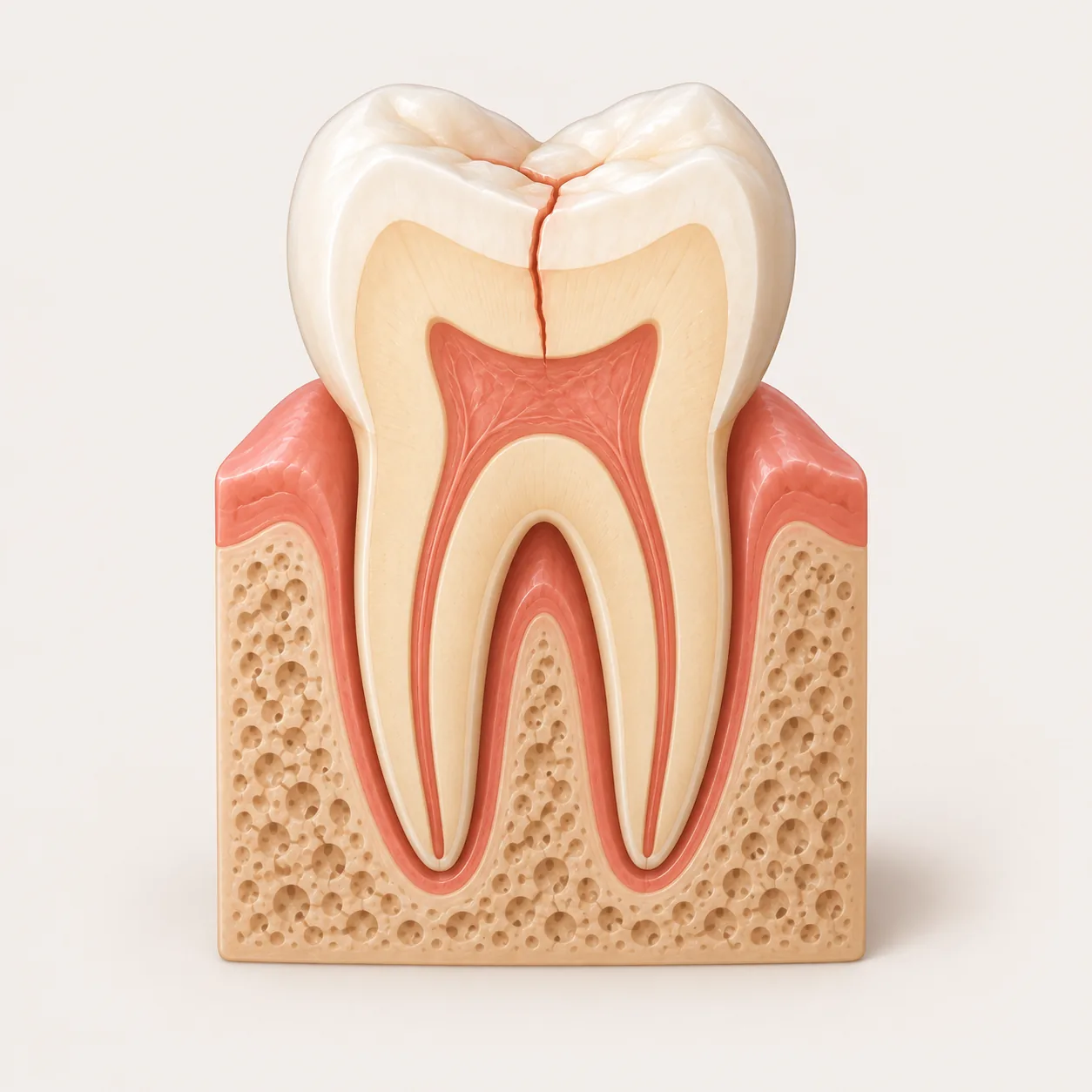
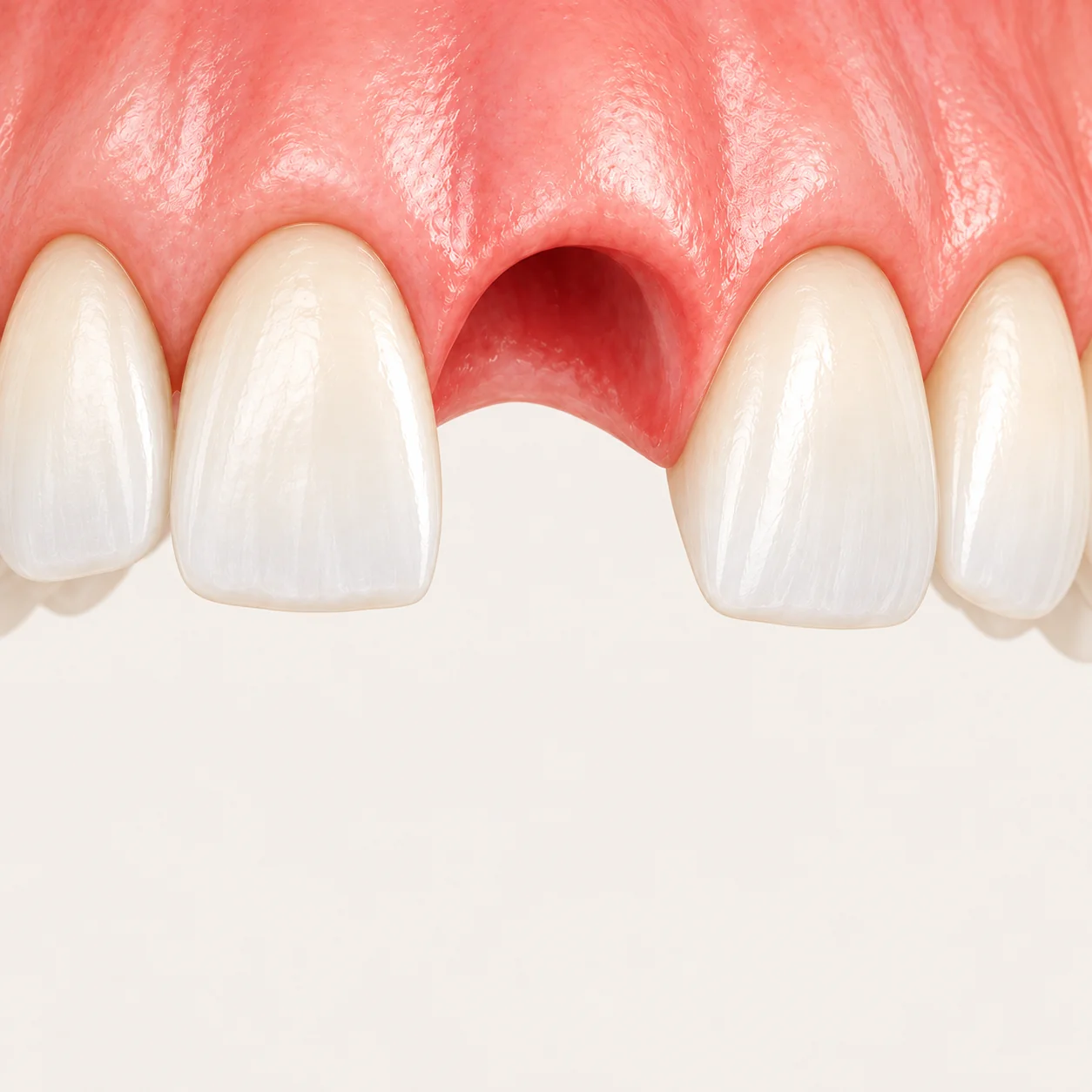
A tooth that has already received root canal treatment may develop symptoms again, even years later. Extraction is not always required, as endodontic retreatment can address the underlying cause and help preserve the tooth when suitable.
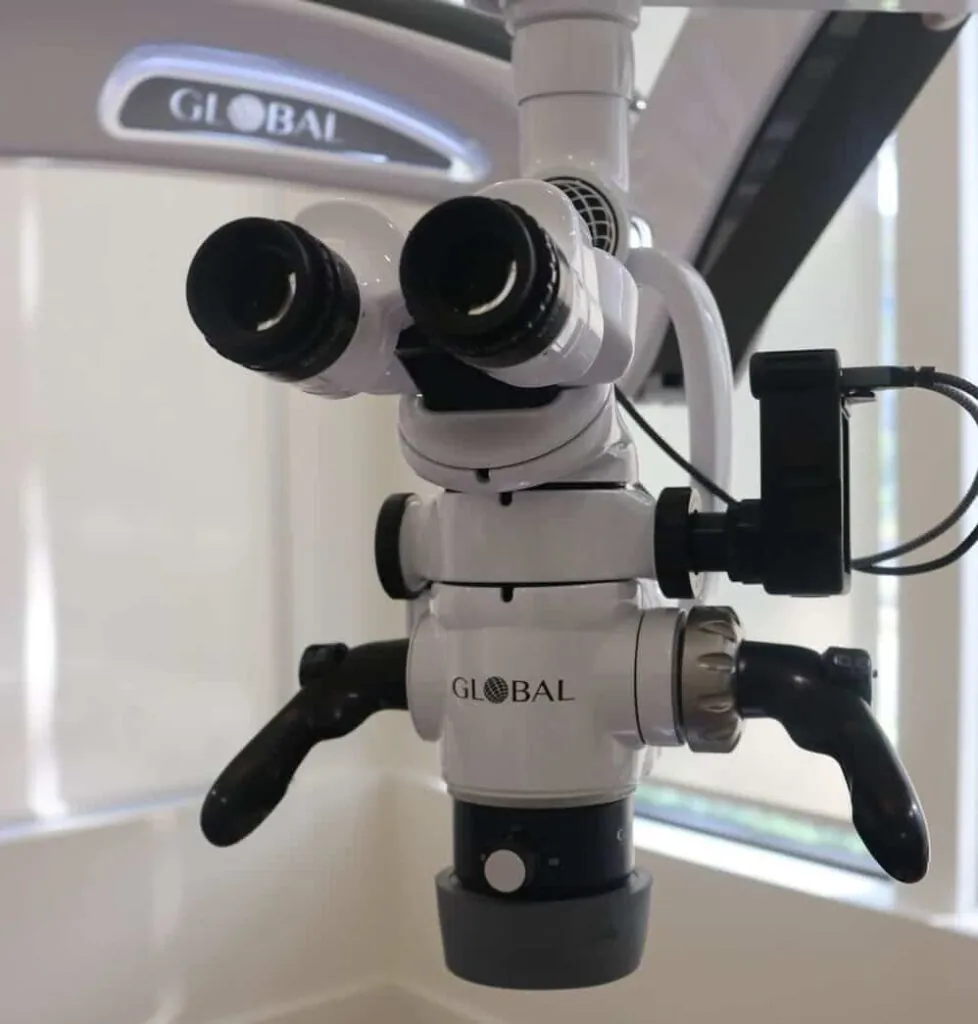
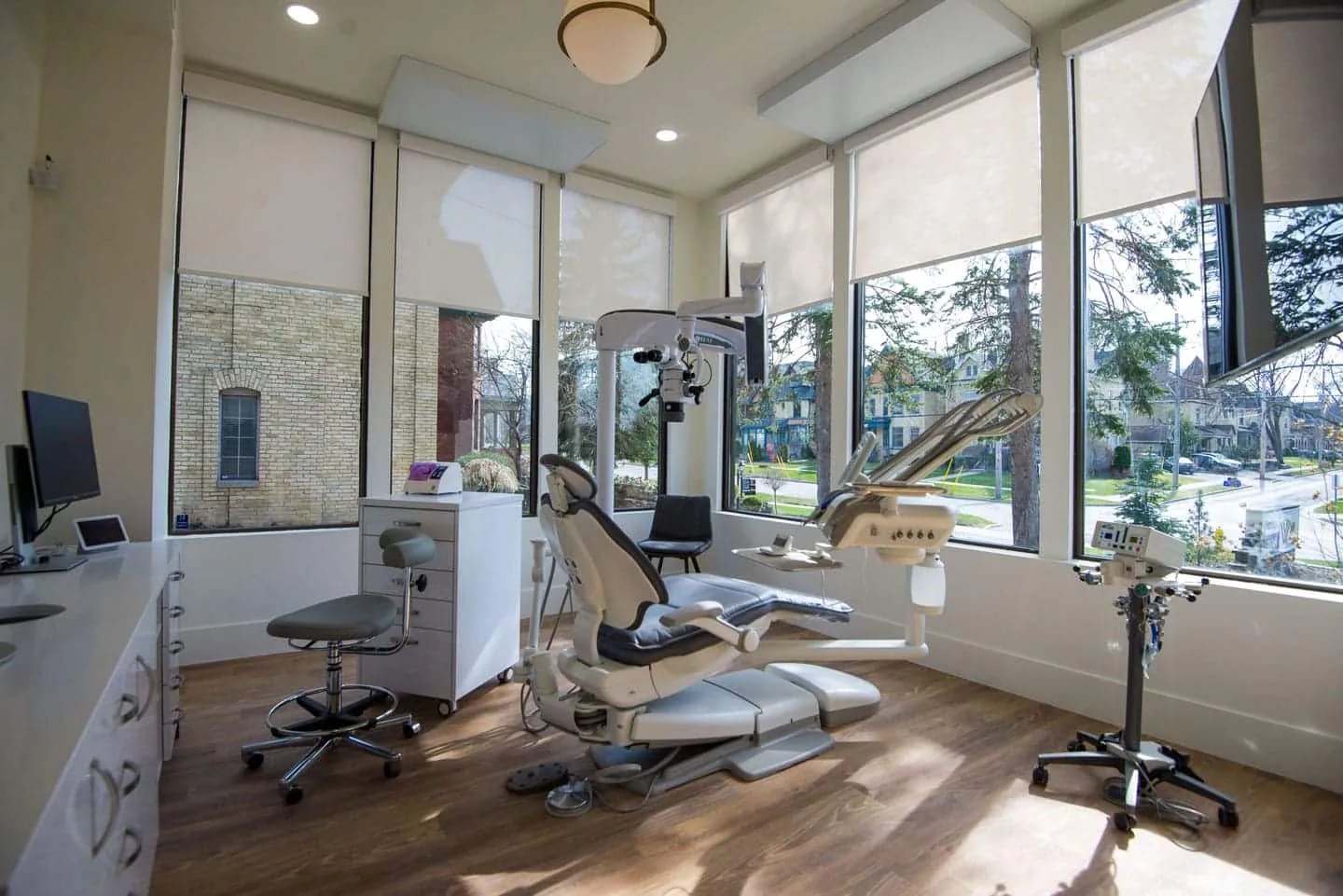
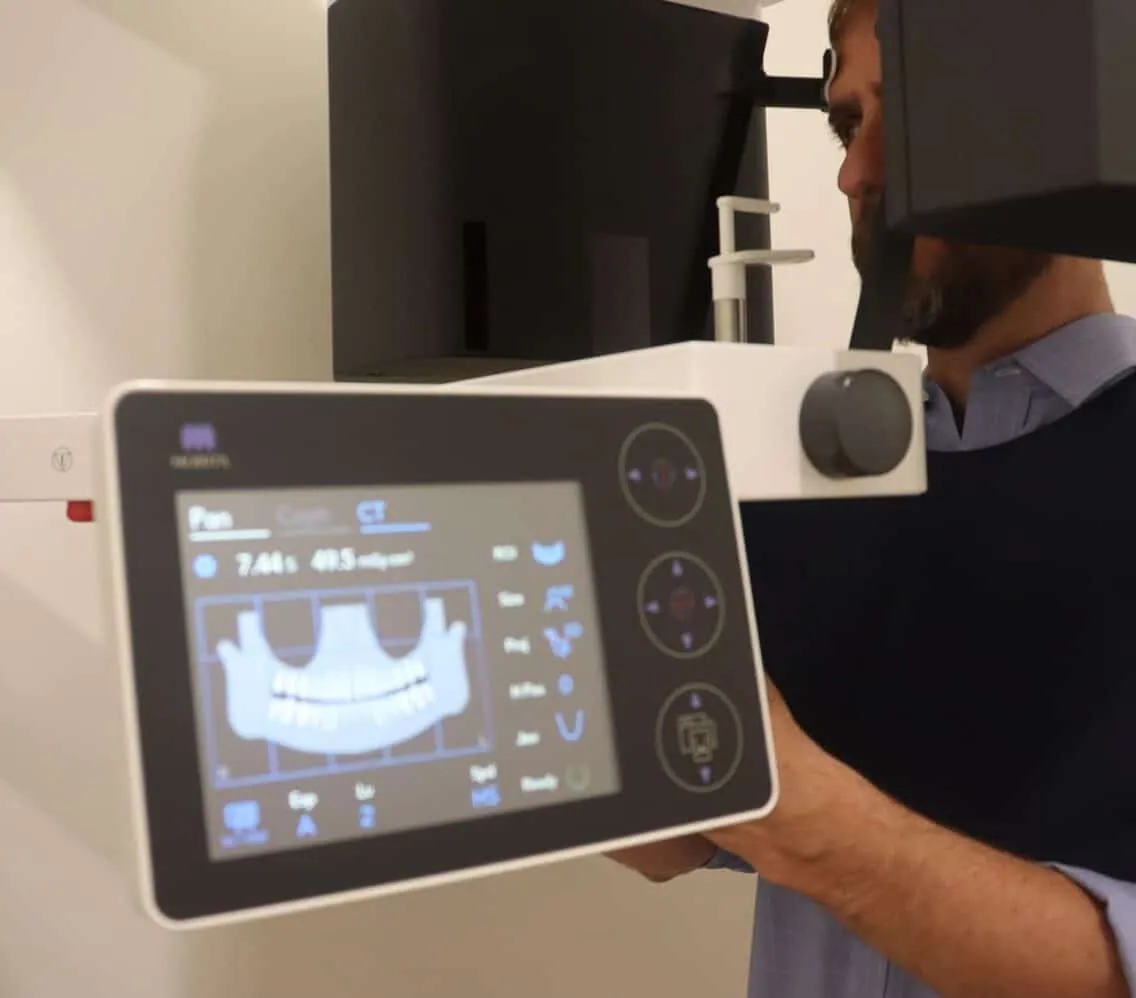
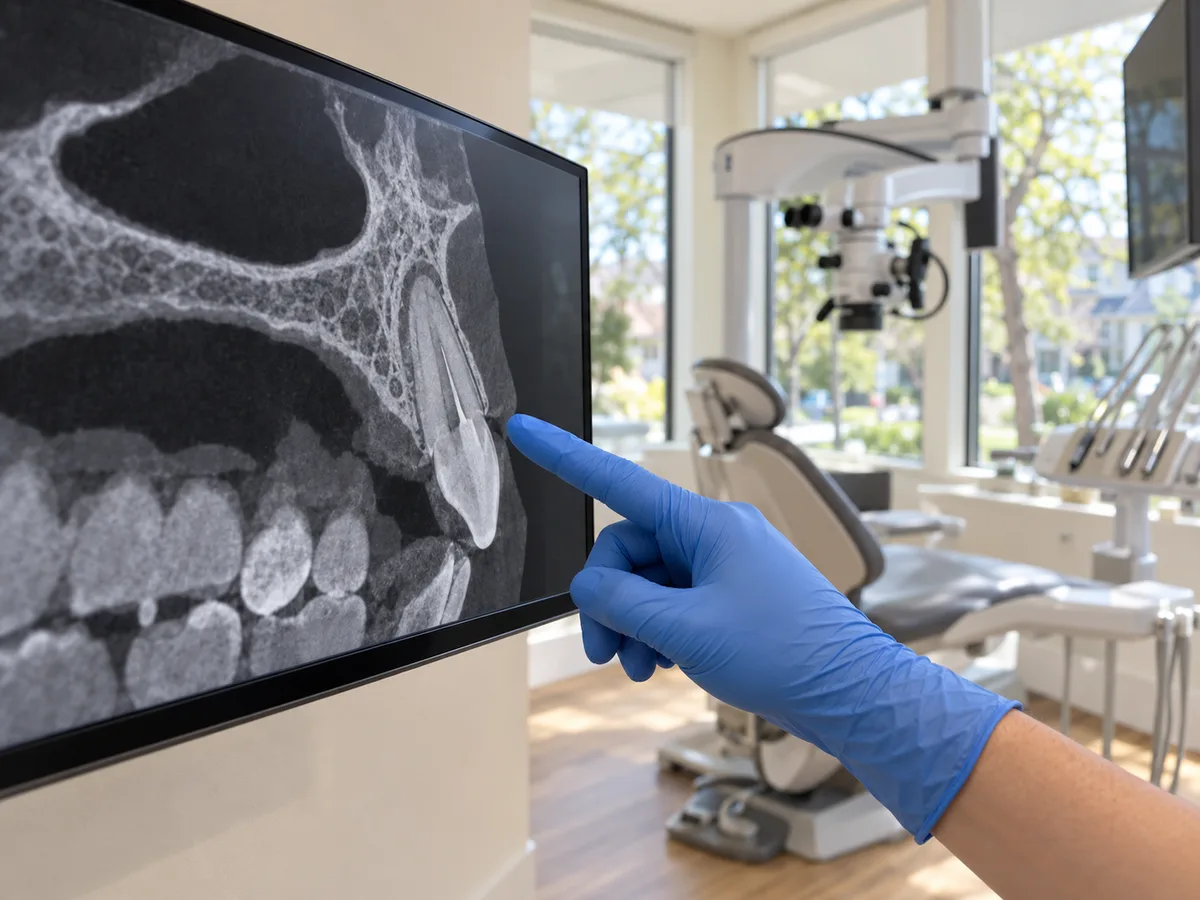
At 562 endodontics, we evaluate symptomatic, previously treated teeth using an operating microscope and CBCT imaging when appropriate. We accept retreatment referrals from dentists across London, and same-week appointments may be available based on urgency and scheduling.
Contact UsLast updated:
Why root canal treatment can fail
Endodontic treatment is usually successful, but some factors can lead to persistent or recurrent disease. Identifying the cause of failure guides retreatment and helps determine prognosis.
| Cause of failure | Clinical presentation | Management approach |
|---|---|---|
| Missed canal anatomy | Persistent periapical pathology; untreated canal visible on CBCT | Retreatment with microscope-guided canal location |
| Coronal leakage | Recontamination through a deficient restoration or delayed crown placement | Retreatment and prompt definitive restoration |
| Inadequate debridement | Residual pulp tissue or biofilm; persistent symptoms | Retreatment with advanced irrigation protocols |
| Separated instrument | Instrument fragment in the canal; may or may not be symptomatic | Attempted retrieval under the microscope or bypass |
| Canal transportation or ledge | Procedural error preventing full cleaning and obturation | Microscope-guided renegotiation or surgical management |
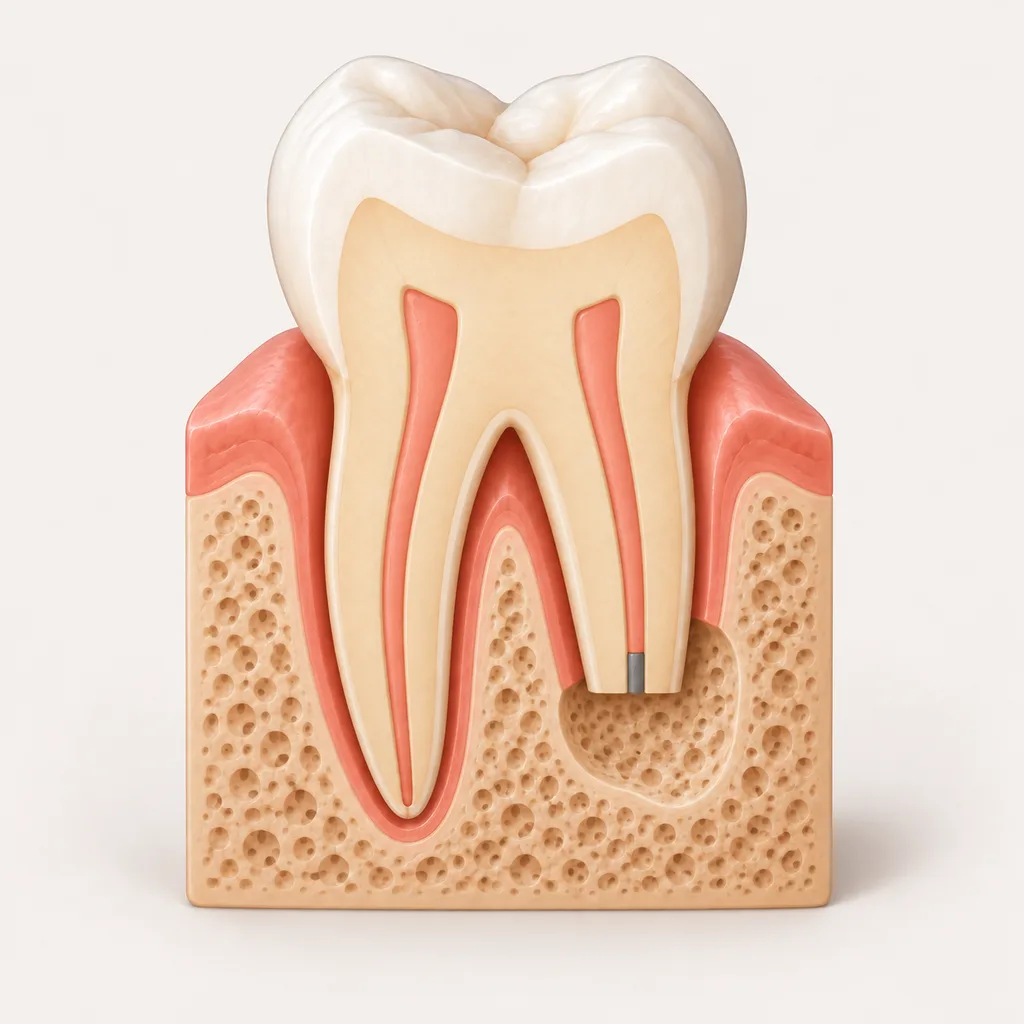
| Persistent periapical infection | Radiolucency not resolving after adequate treatment | Retreatment; apical surgery if retreatment is not feasible |
CBCT evaluation during consultation may help identify the likely cause of failure before retreatment and support discussions about prognosis with the patient.
Patient guide: What is endodontic retreatment?
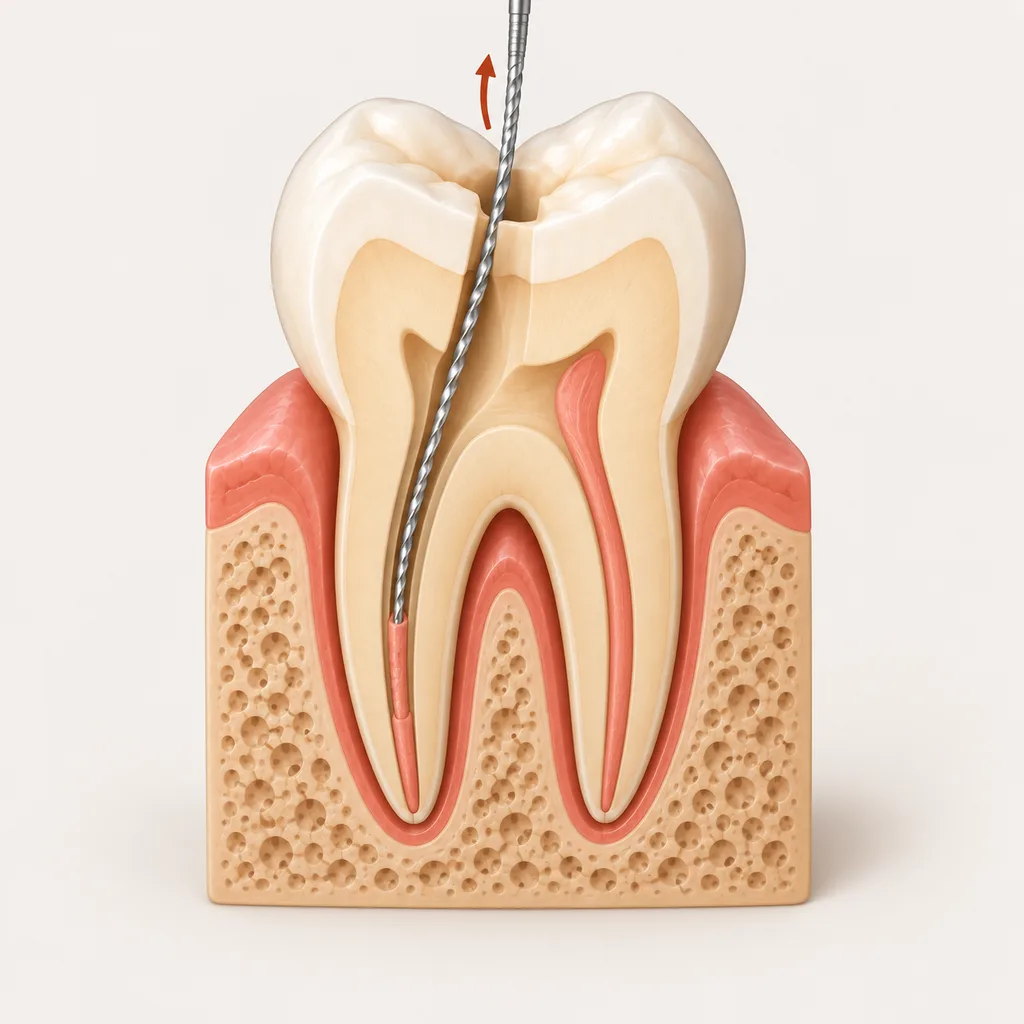
If a previously treated tooth develops pain, swelling, or sensitivity, extraction is not always necessary. Retreatment involves removing the existing filling, cleaning and disinfecting the canals, and resealing the tooth.
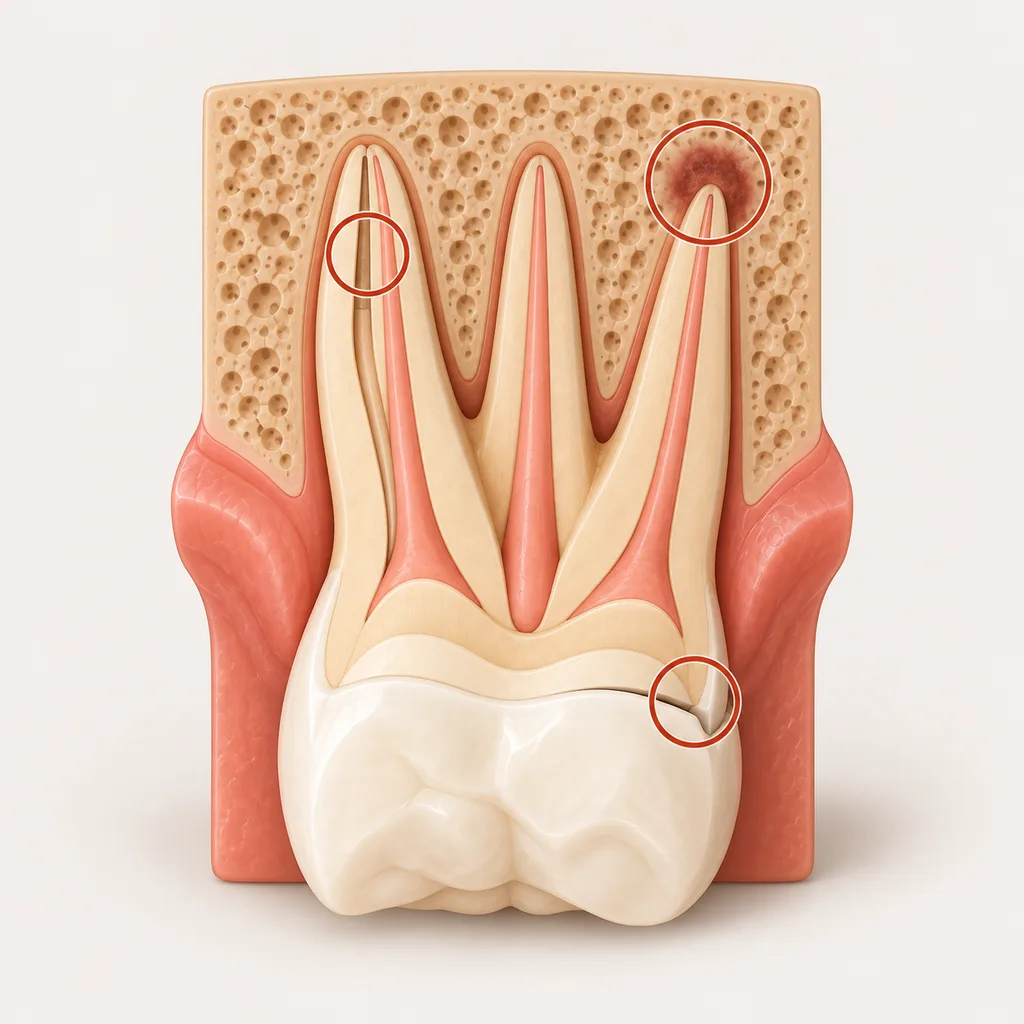
Common reasons patients return with symptoms after root canal treatment:
- A new infection has developed due to a crack, a leaking filling, or a delayed crown placement.
- A canal was not treated during the original procedure.
- The first treatment did not fully clear the infection.
What to expect:
- The procedure is similar to the original root canal treatment.
- Local anesthesia is used, and patient comfort is reviewed throughout the procedure.
- Sedation options may be available when needed.
- The appointment typically takes 60 to 90 minutes.
- After retreatment, your dentist will place a new crown or restoration to protect the tooth.
Retreatment may be an option for previously treated teeth when the tooth remains restorable. We review whether retreatment is appropriate for each case and explain the available options before proceeding.
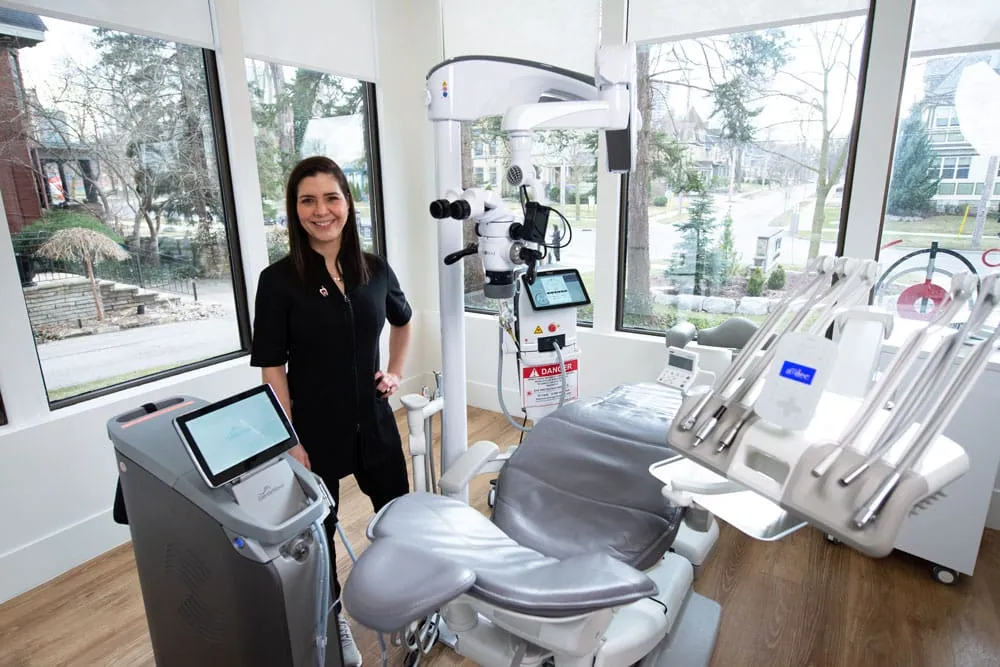
Doctors' Guide:
Clinical Protocol and Co-Management
When to refer for endodontic retreatment
Refer to 562 endodontics if any of the following apply:
- A previously treated tooth presents with new or persistent periapical pathology on radiographs
- The patient reports pain, swelling, or a sinus tract associated with a root-filled tooth.
- A separated instrument, missed canal, or inadequate obturation is identified on radiographs or CBCT.
- The tooth has been restored with a crown, and direct access to the canals requires specialist treatment planning.
- It is unclear whether orthograde retreatment or apical surgery is the more appropriate option.
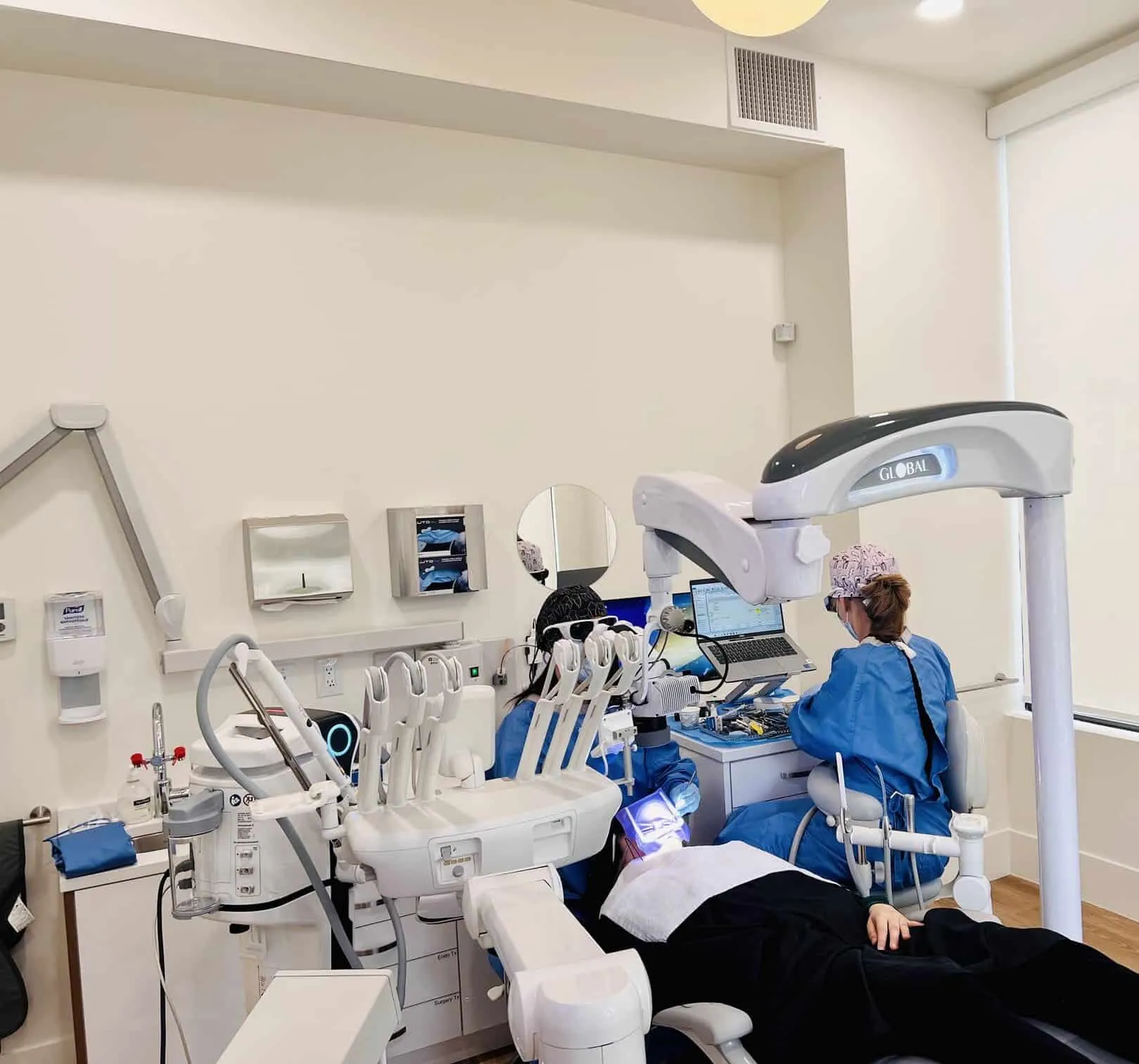
Diagnostic protocol at 562 endodontics
Each retreatment evaluation starts with a dedicated consultation. Our team reviews referring radiographs and, when indicated, obtains a CBCT scan if needed to assess obturation quality, identify missed canals, evaluate periapical status, and confirm restorability. We discuss treatment options with the patient before any procedure. After each appointment, a written report, including post-operative radiographs and restorative recommendations, is sent to the referring office.
Retreatment protocol
Access through existing restorations is evaluated individually. If crown removal is needed, we coordinate with the referring office in advance.
The retreatment sequence may include:
- Removal of existing obturation material
- Microscope-guided canal renegotiation
- Chemo-mechanical preparation with advanced irrigation
- Re-obturation
A post-treatment report, including radiographs and restorative recommendations, is sent to the referring office upon completion.
Retreatment vs. apical surgery
In some cases, apical surgery may be more appropriate than orthograde retreatment, such as when a post or crown cannot be safely removed, the failure is at the apex with an adequate coronal seal, or orthograde retreatment has already been attempted. We discuss both options with the patient during consultation and coordinate the recommended approach with your office.
Learn about apical surgery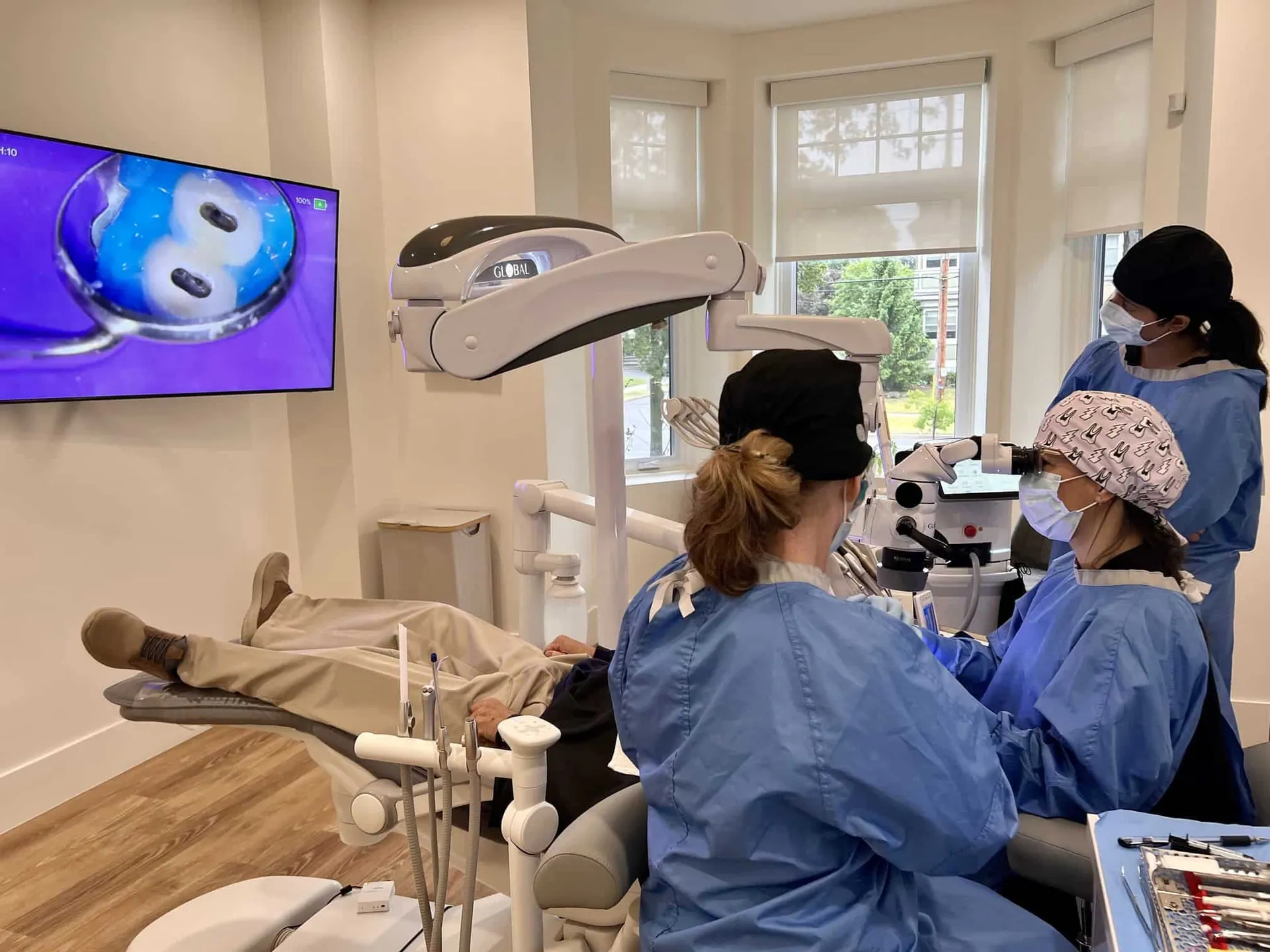
Frequently asked questions
Is retreatment always possible? +
Not in every case. Prognosis depends on the cause of failure, the tooth's restorability, and the extent of periapical disease. We provide a clear assessment during consultation before recommending treatment.
Will the crown need to be removed? +
Not always. Access through an existing crown is evaluated individually. If removal is needed, we coordinate timing with the referring office to ensure the tooth remains protected.
What happens if retreatment is not successful? +
If retreatment does not resolve the issue, apical surgery may be considered. We review all treatment options with the patient and coordinate with the referring doctor before proceeding.
Will the referring dentist receive a report? +
Yes. A clinical summary including post-operative radiographs, findings, and restorative recommendations is sent to the referring office after each appointment.
Give your patients exceptional endodontic care
At 562 endodontics we are committed to helping each patient with their dental health and well-being through personalized diagnosis and procedures. We strive to make their experience as comfortable and stress-free as possible while delivering the highest quality care available.
For urgent dental trauma:
- Call 562 endodontics at (519) 601-3636
- Email: info@562endodontics.com
- Online referral form at 562endodontics.com/referrals
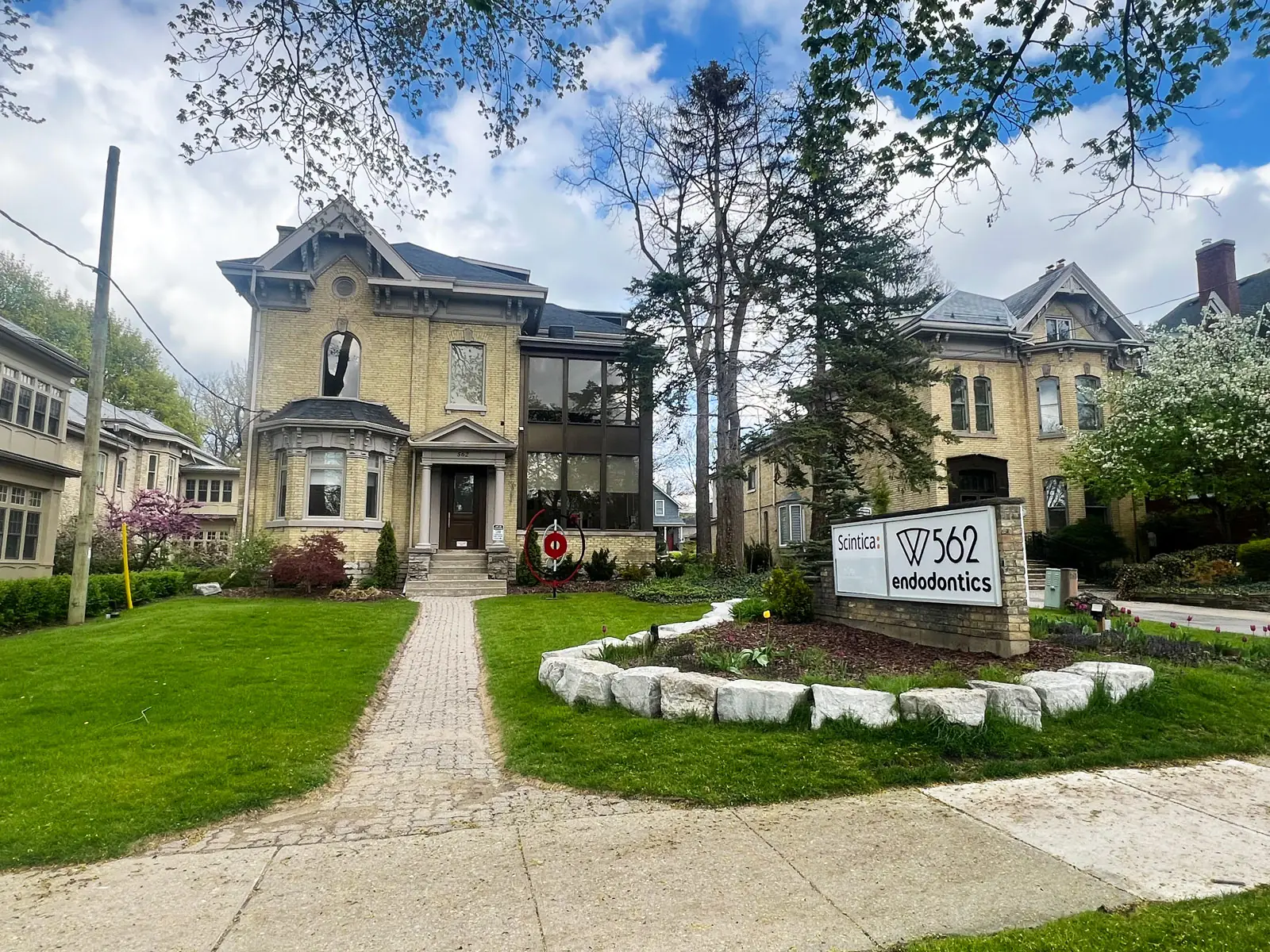
We are located at 562 Waterloo Street, London, Ontario. Dedicated patient parking is available behind the building, marked "DENTAL."
We serve the community throughout London and Middlesex County.