
Dental Trauma
Dental trauma management in London, Ontario
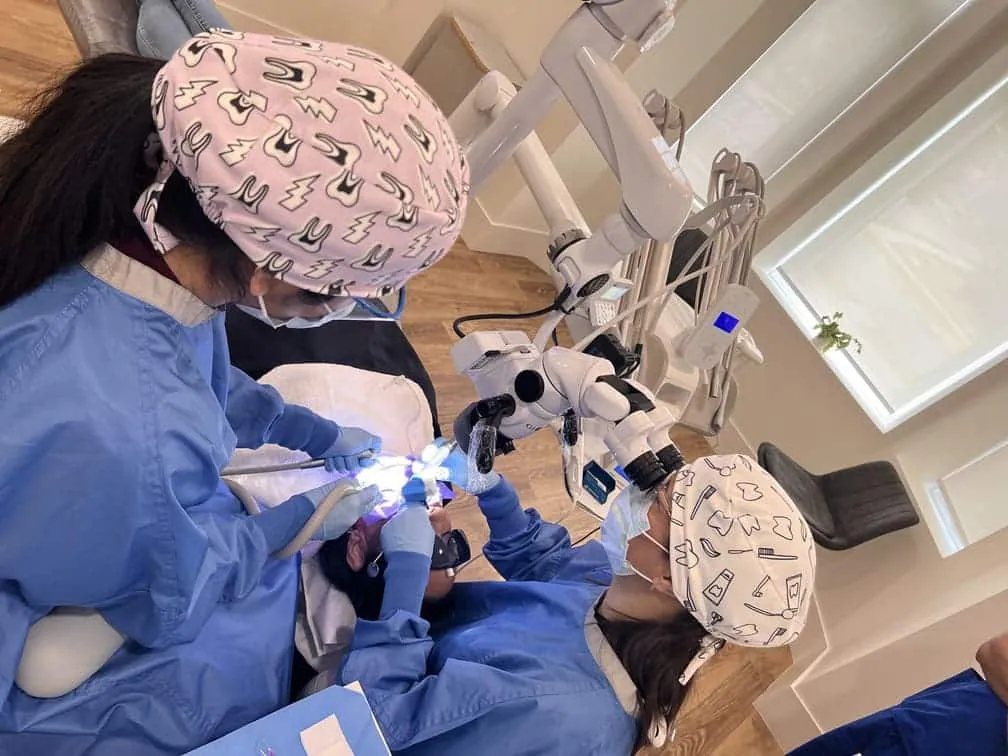
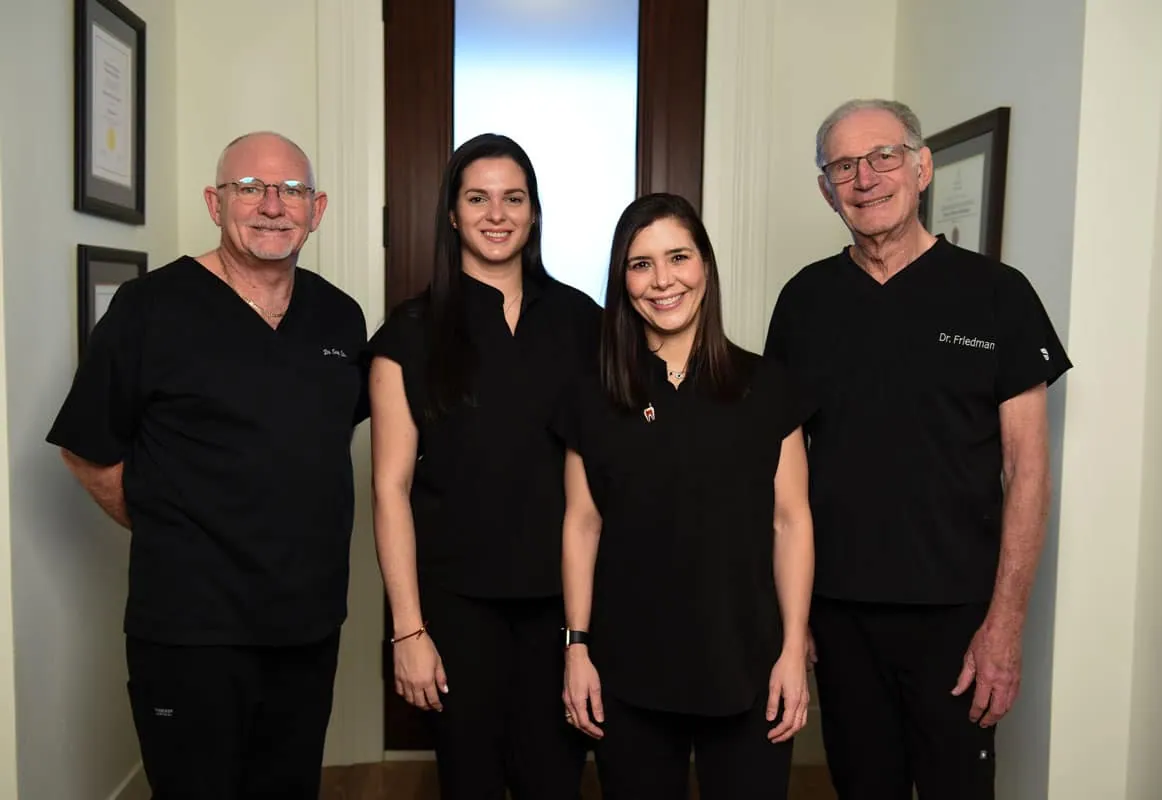
Dental trauma requires prompt assessment and appropriate clinical management. At 562 endodontics, our doctors accept same-day emergency referrals for dental injuries.
Immediate management is important for diagnosis, stabilization, and follow-up planning. We welcome urgent referrals from dentists in London and Middlesex County.
Contact UsLast updated:
Classification of traumatic dental injuries and endodontic relevance
Not all dental trauma requires immediate endodontic treatment. However, many injuries require close monitoring, as pulp necrosis and inflammatory root resorption may develop weeks or months after the initial injury.
We encourage dentists to follow the recommended guidelines established by the International Association of Dental Traumatology and American Association of Endodontists.
The following classification summarizes common traumatic dental injuries and their endodontic implications.
| Injury type | Endodontic relevance | Referral urgency |
|---|---|---|
| Concussion | Low risk of pulp necrosis (~3%). No displacement | Consider a referral to rule out a root fracture. |
| Subluxation | Possible periodontal ligament injury. Necrosis risk ~6% | Consider a referral to rule out a root fracture. |
| Extrusive luxation | Necrosis risk ~26% in mature teeth | Same-day referral recommended |
| Lateral luxation | Necrosis risk up to 58% in mature teeth | Same-day or within 24 hours |
| Intrusive luxation | Highest severity injury. Necrosis risk up to 96% | Immediate referral |
| Root fracture | The endodontic prognosis depends on the location of the fracture. | Refer within 24–48 hours |
| Alveolar fracture | Maxillary, mandibular fracture with multiple teeth involved | Same-day referral recommended to a hospital. |
Early evaluation supports timely diagnosis and treatment planning.
Patient guide: Immediate Management of Dental Trauma
Dental injuries require prompt attention to maximize the chance of saving the tooth and preventing long-term problems.
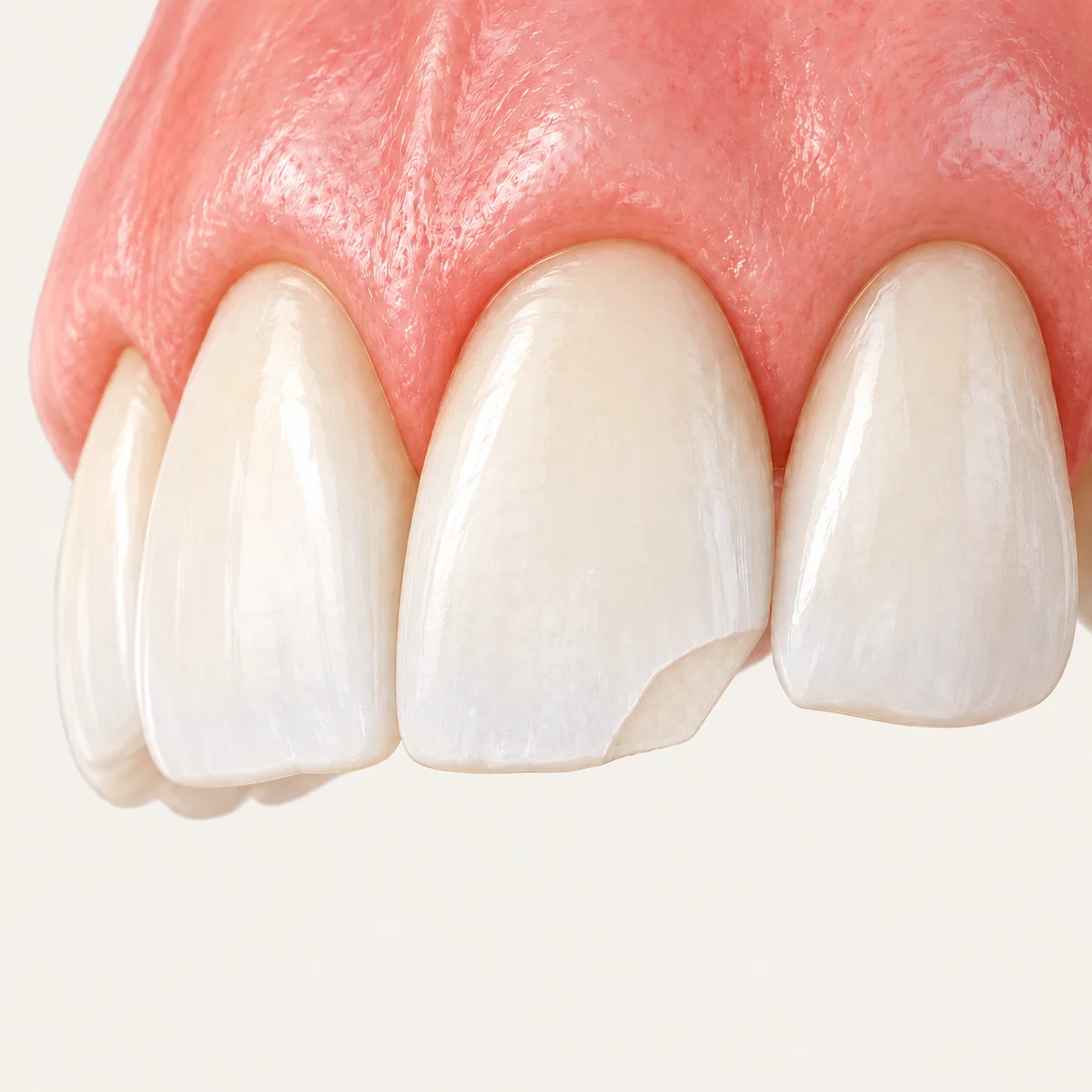
Tooth Fractures
If a tooth chips or breaks, save any pieces and bring them with the patient.
- Rinse the mouth with water if there is bleeding.
- See a dentist as soon as possible — urgent care may be needed depending on the severity of the fracture.
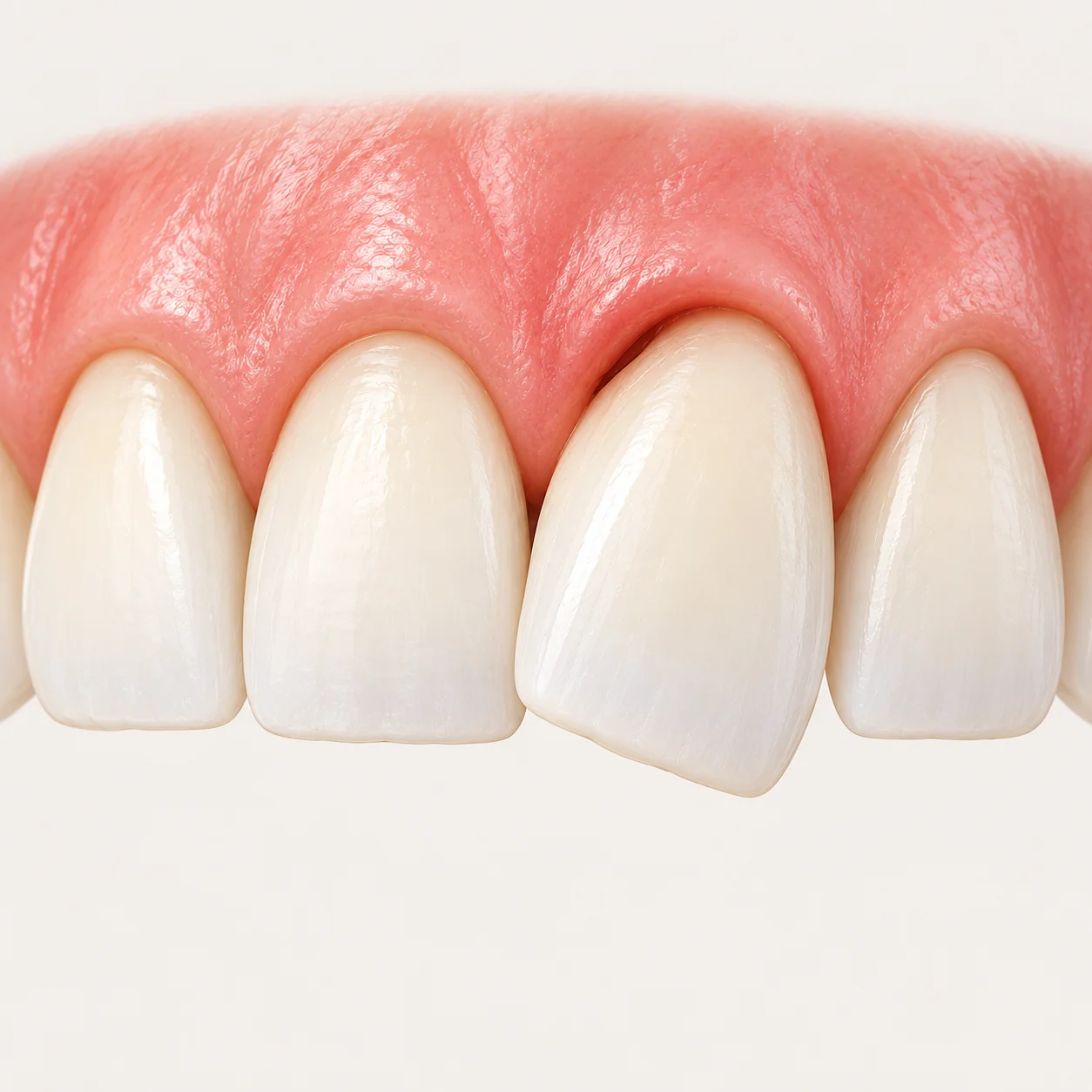
Tooth Luxation (Displacement)
A tooth that is pushed out of place, loose, or knocked sideways should be examined immediately by a dentist.
- Try to move the tooth/teeth gently to the original position
- Close the mouth with a piece of clean napkin or gauze between the upper and lower front teeth
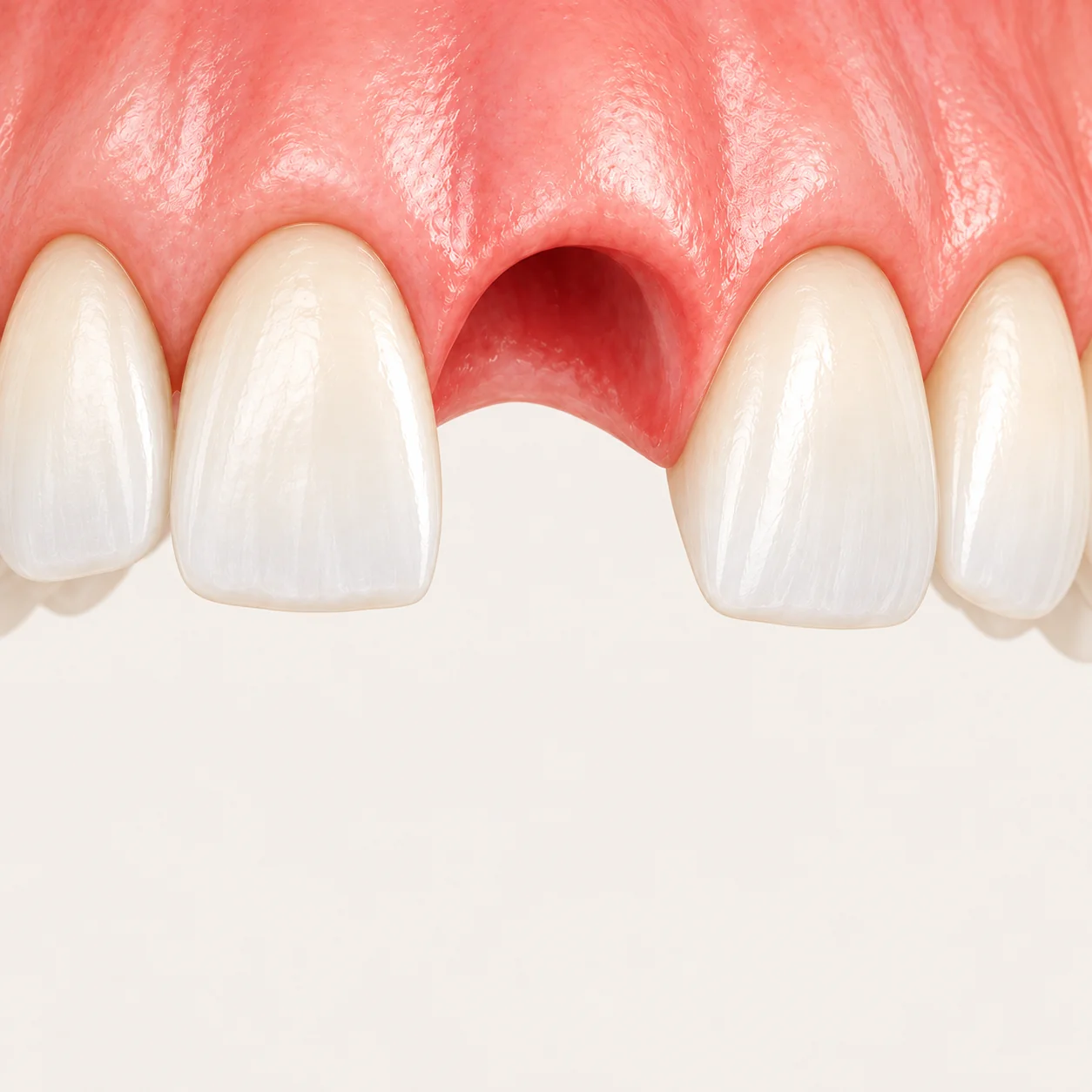
Tooth Avulsion (Knocked-Out Tooth)
A tooth that is completely knocked out is a serious injury. The faster it is treated, the better the chance of being saved.
What to do
- Replant the tooth right away if possible.
- If you cannot put it back in the socket, keep it in a safe storage medium until you see a dentist.
Recommended storage options (best to worst):
- Hank's Balanced Salt Solution (HBSS), such as Save-A-Tooth®
- Cold milk (Easier to get!)
- Saline solution
- Your own saliva (for short-term transport only)
Important: Avoid water if possible — it can damage the cells that help the tooth reattach.
Doctors Guide:
Clinical Protocol & Patient Instructions for Parents/Patients
Instruct the patient to handle the tooth by the crown only if possible. If contaminated, briefly rinse the tooth under cool running water without scrubbing the root surface.
If possible, gently reposition the tooth into the socket and stabilize it by biting on gauze. If this is not possible, place the tooth in cold milk and seek immediate dental care.
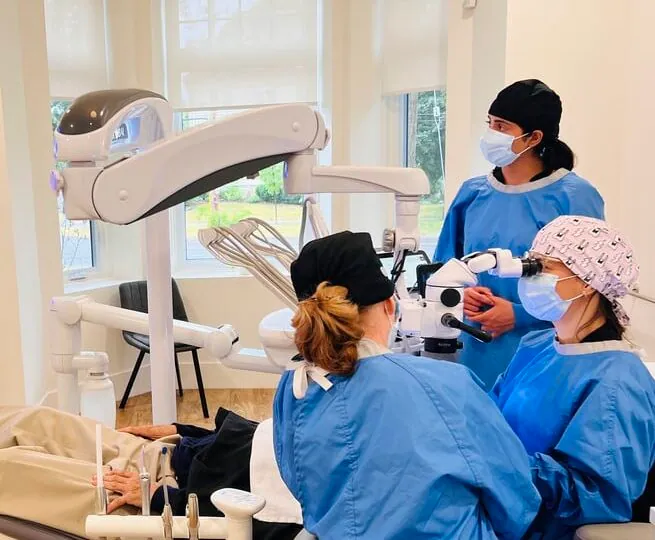
We can provide phone guidance for avulsion emergencies as the patient travels to the clinic.
Dental injuries and splinting protocol
We place and remove all splints at 562 endodontics. Splint type and duration depend on the type of injury. The table below outlines IADT 2020 durations and clinical notes for co-management.
| Injury | Splint duration |
|---|---|
| Subluxation | Up to 2 weeks if mobility is present |
| Extrusive luxation | 4 weeks |
| Lateral luxation | 4 weeks |
| Intrusive luxation | 4–8 weeks, depending on severity |
| Root fracture | 4 weeks |
| Cervical root fracture | Up to 4 months |
| Avulsion | 2 weeks |
| Alveolar fracture | 4 weeks |
Horizontal root fractures and the role of CBCT imaging
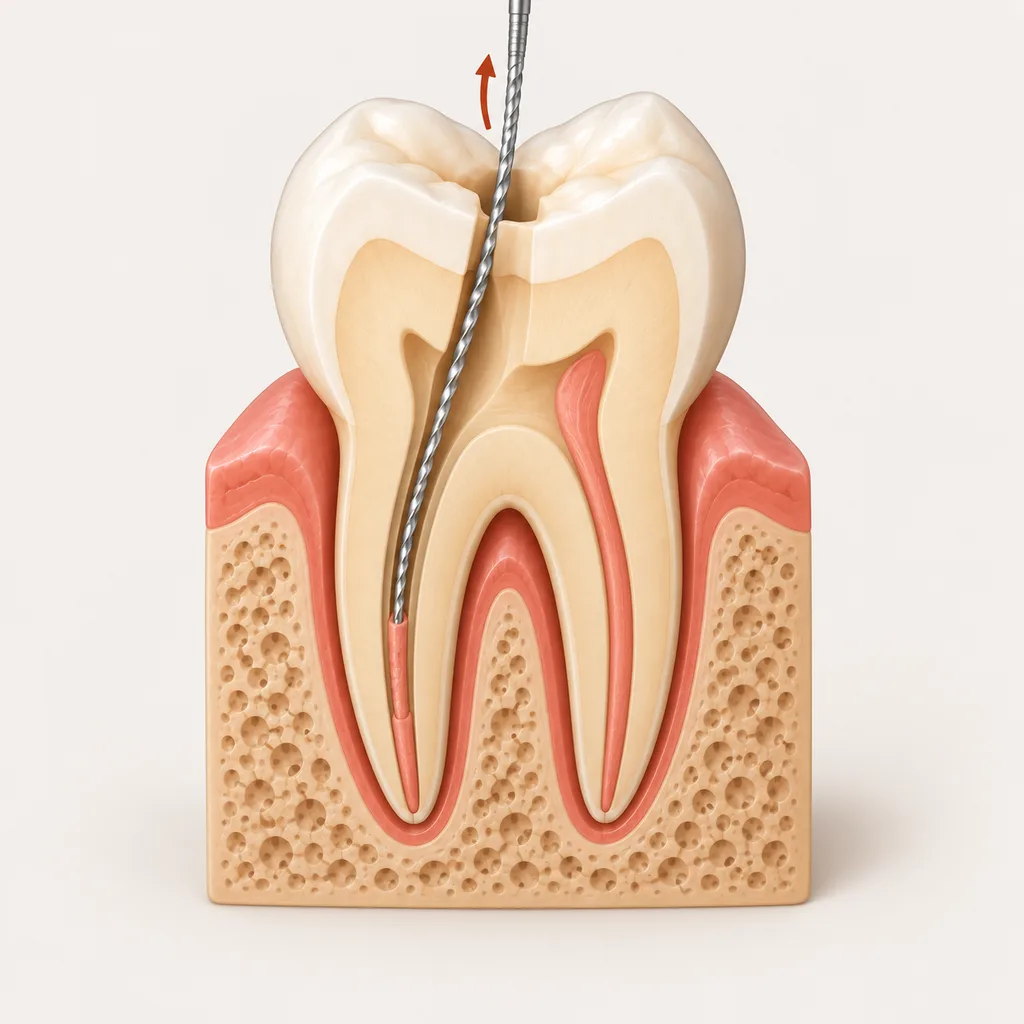
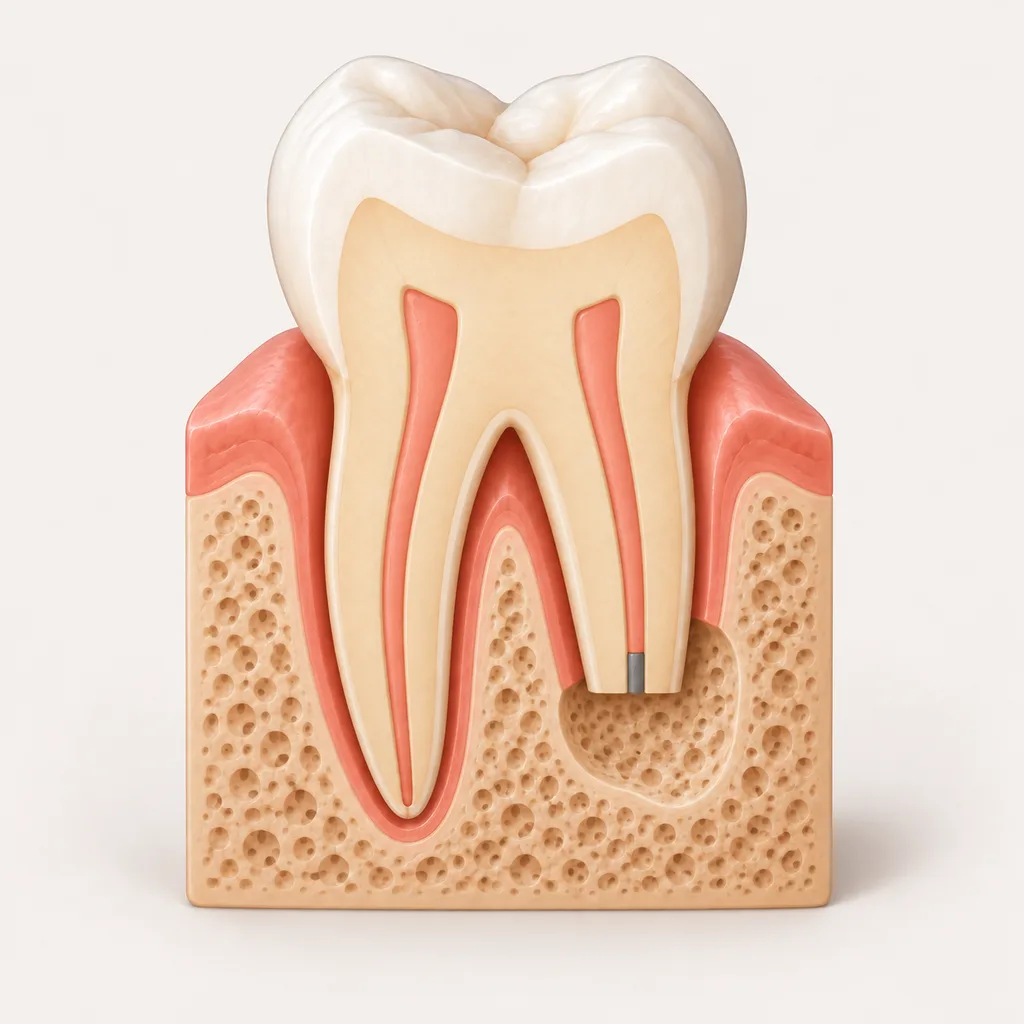
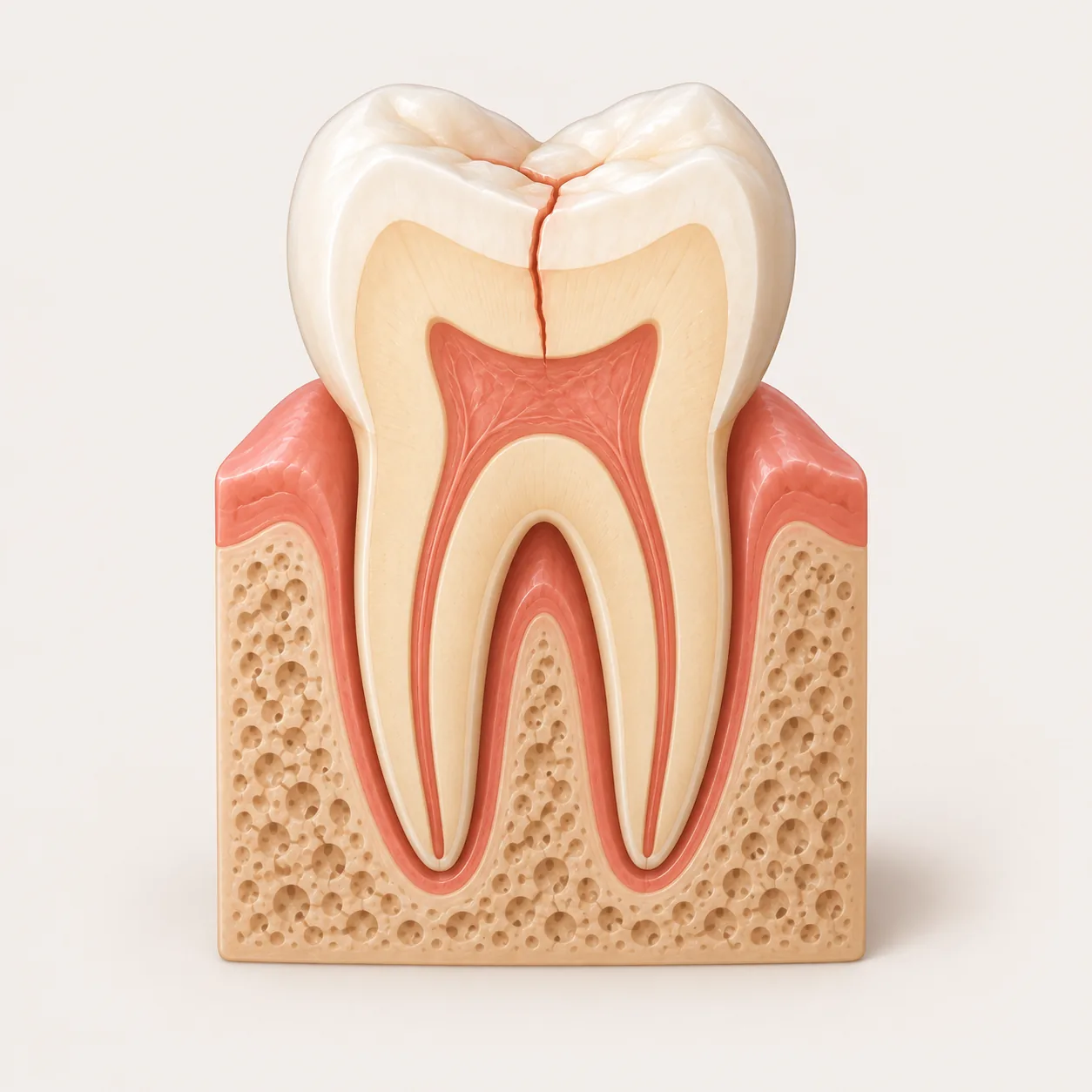
Horizontal root fractures are often missed on conventional periapical radiographs if the X-ray beam is not aligned with the fracture plane.
Early CBCT evaluation improves diagnostic accuracy and reduces the risk of missed cervical root fractures, which may otherwise require extraction.
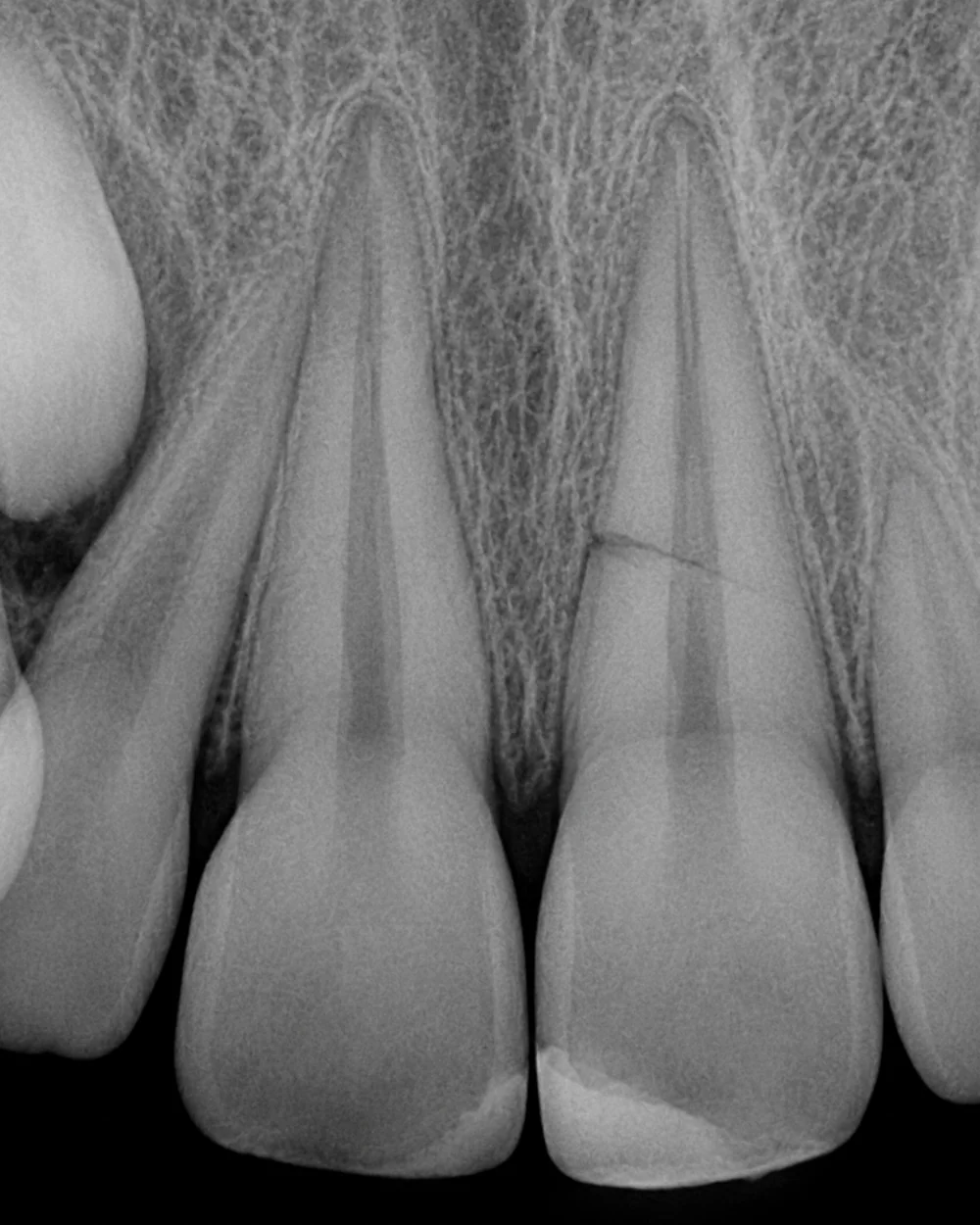
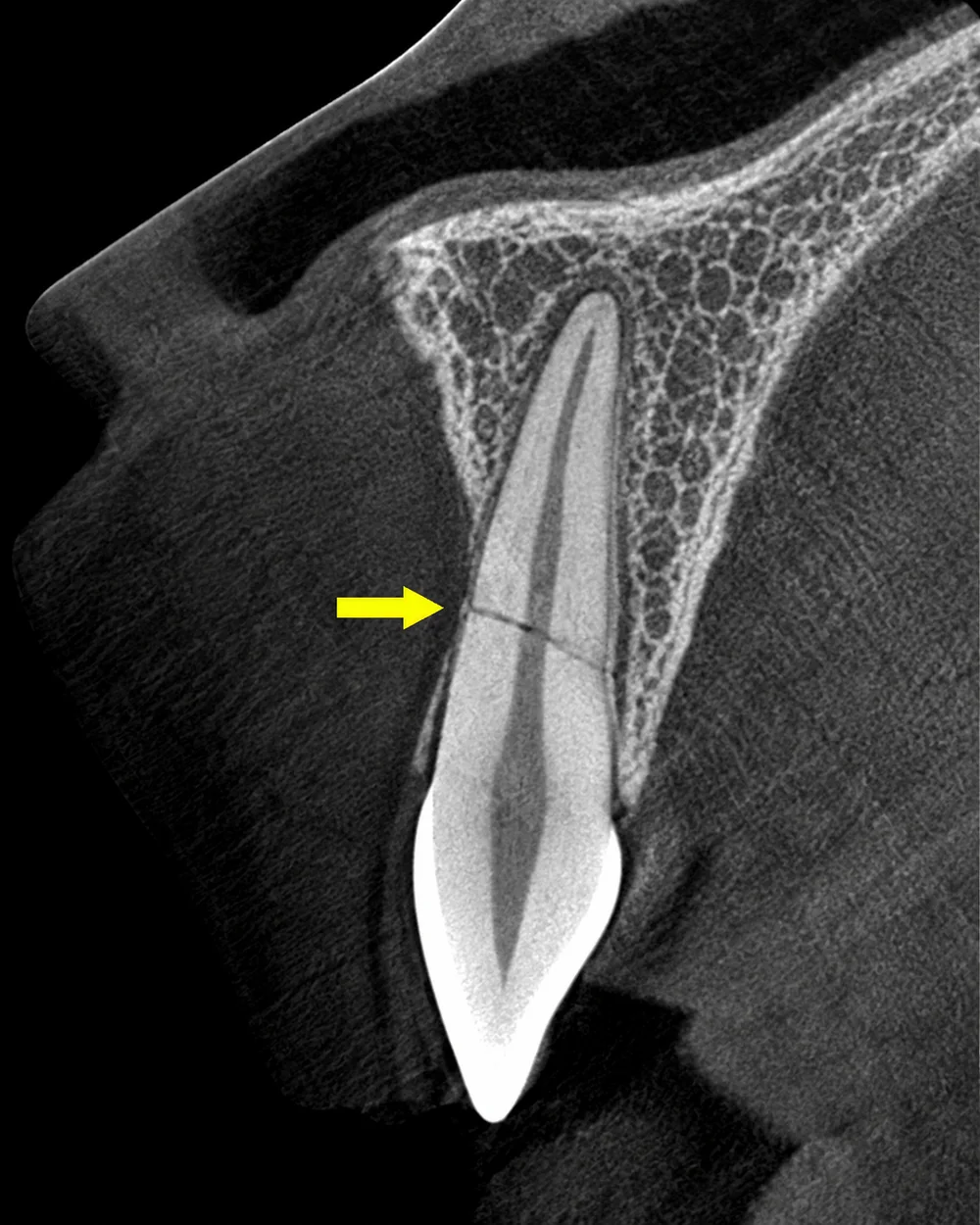
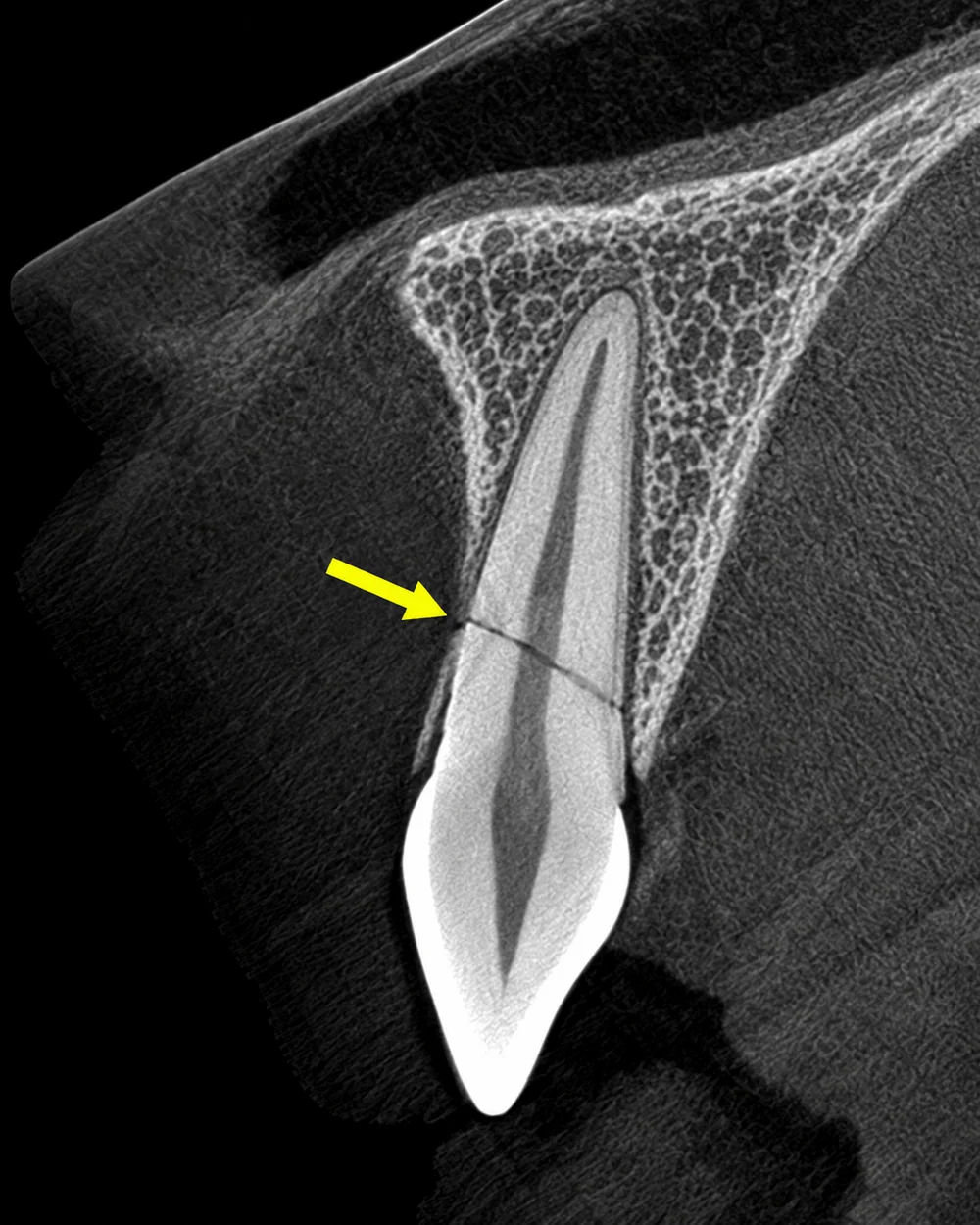
Educational illustrations based on clinical reference images. These are not patient radiographs or diagnostic scans.
It is important for the patient to attend follow-up appointments and maintain regular dental visits, as traumatic dental injuries may develop delayed sequelae over time, including external cervical resorption, pulp canal obliteration, ankylosis, pulpal necrosis, and apical infection. Continued clinical and radiographic monitoring is essential for early detection and management of these complications.
Frequently asked questions
How quickly can 562 endodontics see a trauma emergency? +
Same-day appointments are available for acute trauma. Call (519) 601-3636. For avulsion cases, our team provides phone guidance to patients during transit to our office.
Does the consultation include CBCT imaging? +
Yes. The consultation fee includes a CBCT scan, which is particularly valuable in trauma cases where 2D imaging may miss root fractures or underestimate the extent of injury.
Can a tooth infection occur months after trauma? +
Yes. Infection may develop months or even years after the initial injury. Referral is advised if symptoms or radiographic changes appear.
Does 562 endodontics manage trauma in immature teeth? +
Yes. Treatment options include vital pulp therapy, regenerative endodontic procedures, and apexification for teeth with open apices.
Give your patients exceptional endodontic care
At 562 endodontics we are committed to helping each patient with their dental health and well-being through personalized diagnosis and procedures. We strive to make their experience as comfortable and stress-free as possible while delivering the highest quality care available.
For urgent dental trauma:
- Call 562 endodontics at (519) 601-3636
- Email: info@562endodontics.com
- Online referral form at 562endodontics.com/referrals
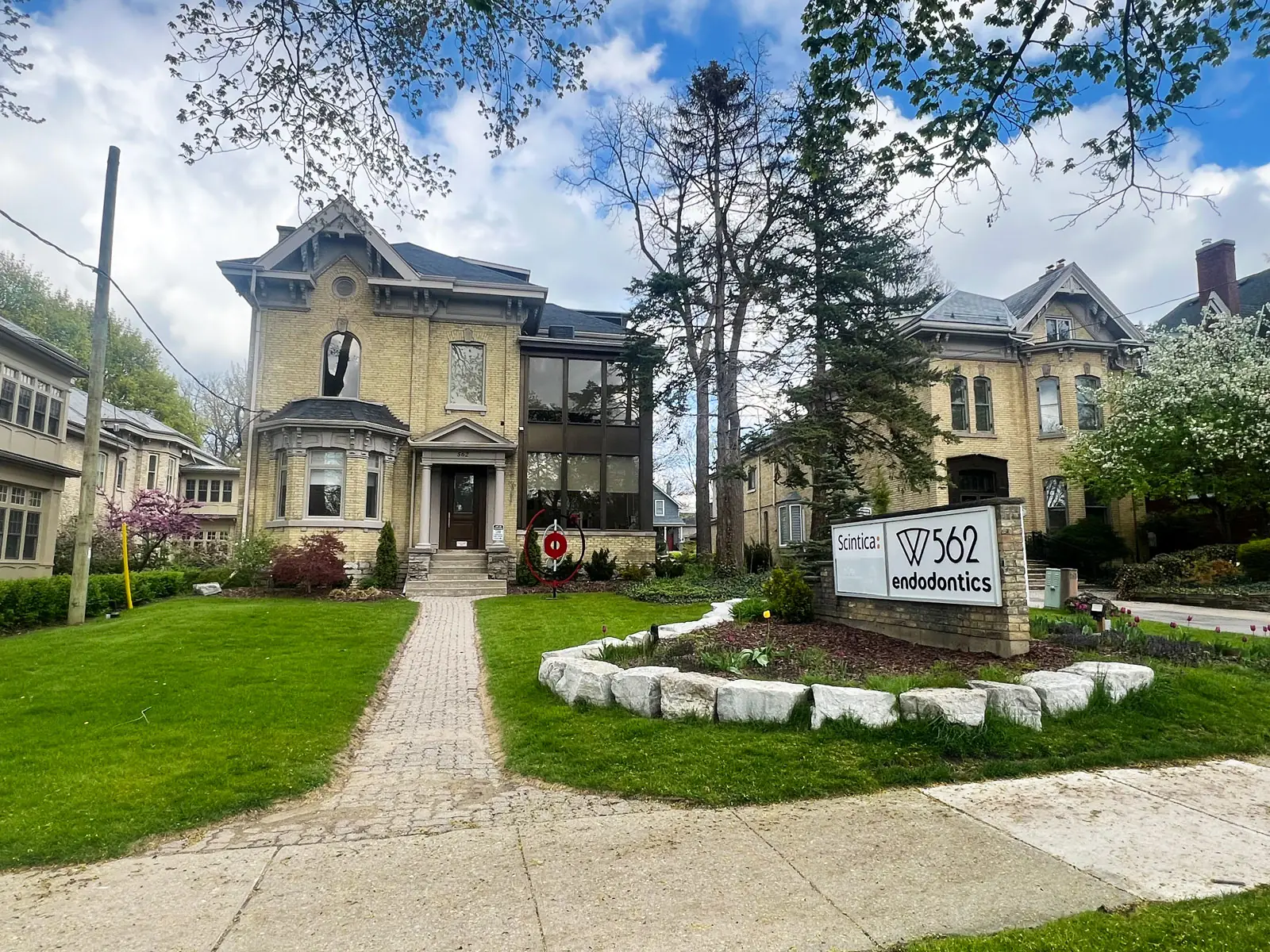
We are located at 562 Waterloo Street, London, Ontario. Dedicated patient parking is available behind the building, marked "DENTAL."
We serve the community throughout London and Middlesex County.